
How to Measure for Furniture to Avoid Buying Pieces That Don’t Fit
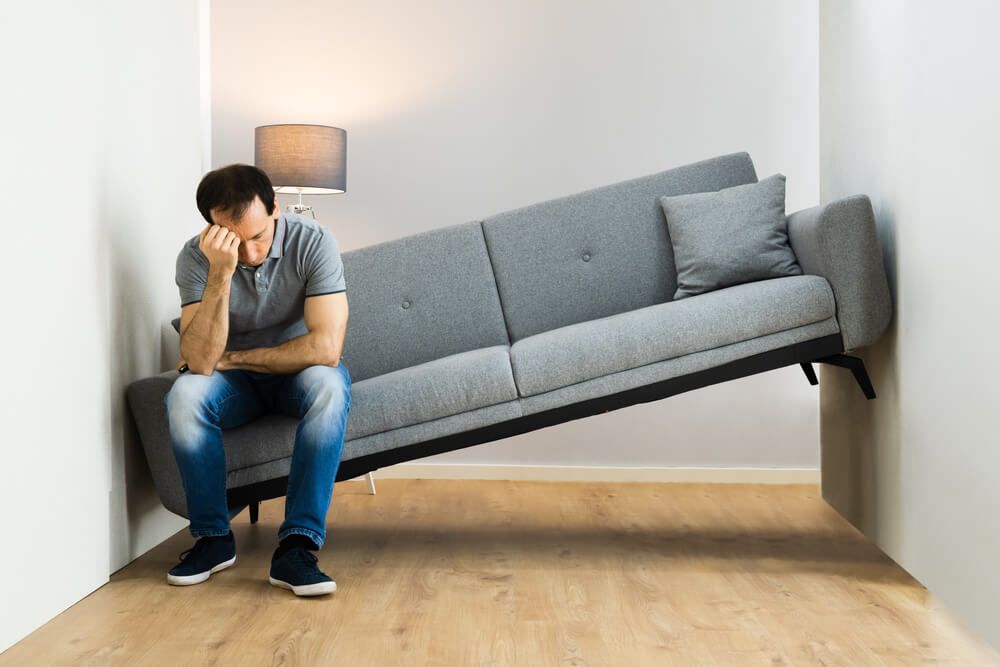
Buying furniture without proper measurements can result in pieces that overwhelm a room or fail to fit entirely. Accurate measurements ensure that furniture complements the space, maintains traffic flow, and meets functional needs.
Measuring the Room
Start by measuring the overall dimensions of the room, including length, width, and ceiling height. Note the locations of doors, windows, radiators, vents, and other obstacles. These measurements are essential for understanding available space.
Coleman Furniture reviews often emphasize how furniture fits in real homes, providing practical insights into potential challenges with sizing.
Measuring Doorways and Pathways
Ensure that furniture can pass through entryways, hallways, and staircases during delivery. Measure door widths, hallway dimensions, and any tight corners that could pose a problem. Proper planning avoids frustration and additional costs from returns or modifications.
Considering Furniture Dimensions
Review the dimensions of the furniture you intend to purchase, including height, width, and depth. Allow extra space around pieces for comfort and movement. For example, leave at least 18 to 24 inches around seating areas to maintain functional traffic flow.
Accounting for Functionality
Consider how the furniture will be used. For seating, ensure enough legroom and clearance for reclining or extending. For storage units, make sure doors and drawers can open fully without obstruction. Coleman Furniture reviews often provide real-world feedback on usability and space requirements.
Using a Floor Plan or Layout Tool
Sketch a floor plan or use digital tools to visualize furniture placement. Include accurate dimensions for each piece, pathways, and focal points. This helps identify potential issues before purchase and allows adjustments to optimize flow.
Visualizing Proportions
Compare furniture size to other elements in the room. Oversized pieces can overwhelm small spaces, while undersized furniture may appear out of scale. Coleman Furniture reviews frequently note how pieces look and function in actual room settings, providing useful guidance.
Accounting for Accessories and Traffic
Include rugs, side tables, lamps, and other items in your measurements. Ensure that furniture placement allows smooth movement around these elements to maintain a balanced and comfortable room.
Testing with Templates
Use masking tape or cardboard cutouts to represent furniture dimensions on the floor. This hands-on approach provides a visual reference for space planning and confirms fit before delivery.
Final Checks
Double-check measurements and consider potential changes, such as adding new pieces or rearranging the room. Being thorough prevents common mistakes and ensures a practical and aesthetically pleasing arrangement.
Making the Right Choice
Accurate measurement is critical to avoiding furniture that does not fit. Coleman Furniture reviews provide real-world insights into dimensions and fit, helping buyers and warehouse managers make informed decisions. By carefully measuring spaces and furniture, you ensure that each piece enhances the room’s function and style.