
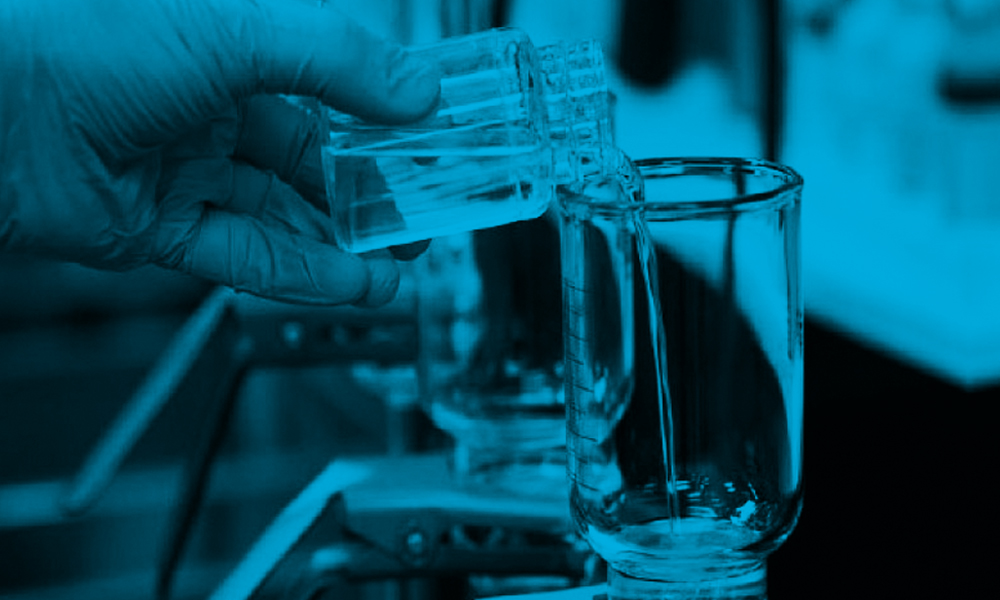
The clear liquid from your tap might look safe. However, many hidden substances often dwell within that glass of water. A home water analysis service reveals the true quality of your supply. This process identifies various minerals and chemicals in the liquid. You should understand these findings to protect your family well. Now, the technical data on the sheet can seem quite confusing. This guide helps you translate those complex numbers into useful knowledge. The health of your household depends on these tiny details. So, let us begin this journey toward total water clarity.
Deciphering Primary Contaminant Standards
Government agencies set strict limits for many dangerous substances. These rules focus on things like bacteria and heavy metals. You must look for any items marked as exceeding limits. High lead levels pose a significant risk to young children. Sometimes, the report indicates the presence of harmful coliform bacteria. This finding suggests that waste might have entered your well. You should treat these specific results with immediate and serious concern. But many homeowners overlook these critical warnings on the first page. So, checking the safety violations remains your most important initial step. The lab highlights these risks in bold or red text. Now, you can see exactly where the danger lies hidden. You must act fast if these levels appear too high.
Testing Hardness and Scale Build-up
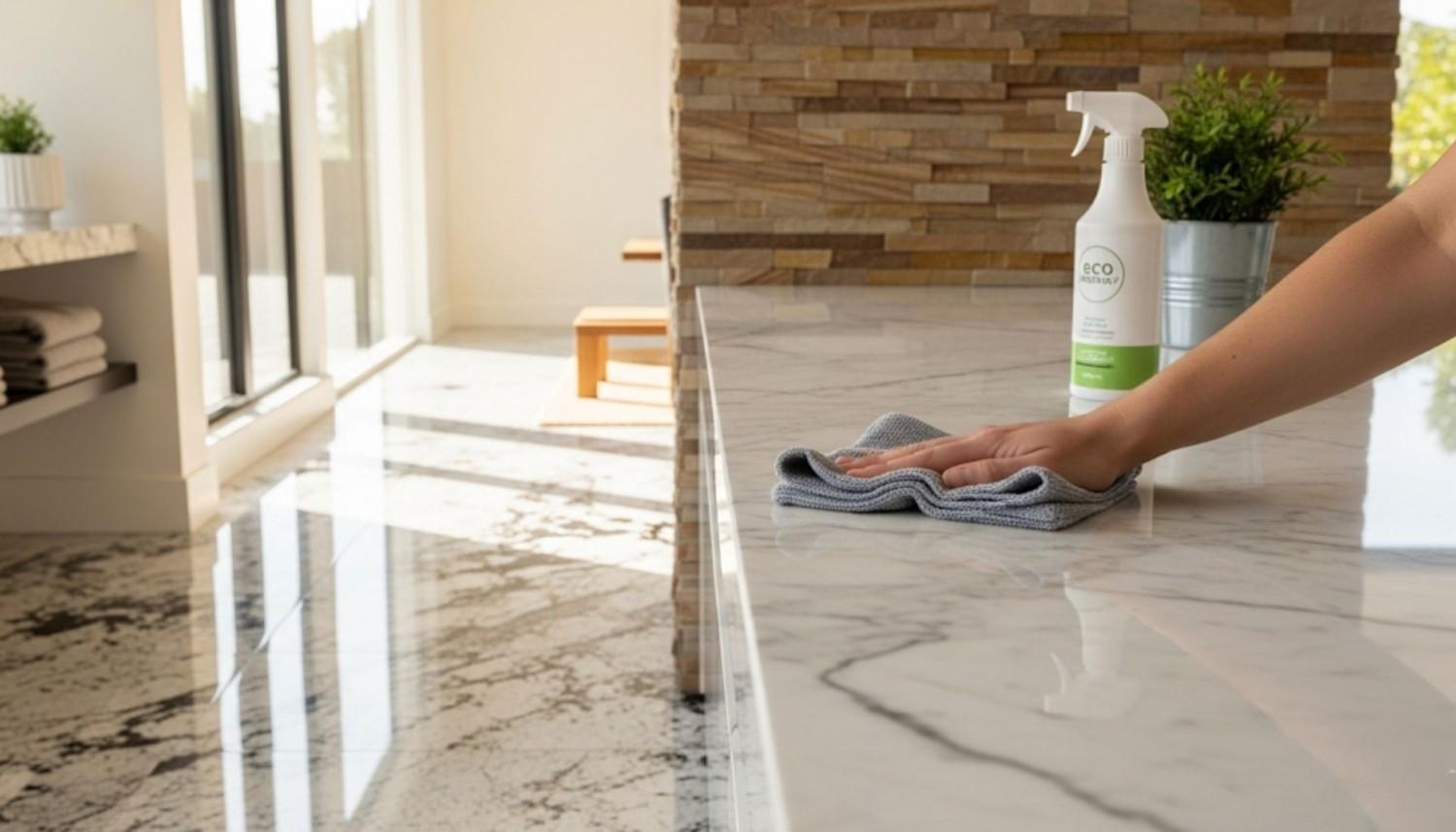
Water is hard because of calcium and magnesium. Minerals from subterranean rocks dissolve into water on their own. Your shower heads will develop white crust. Soap lathers poorly in hard water. Dry skin and brittle hair are typical symptoms of this illness. Your expensive appliances are damaged by scale over time. You may require a water softener for hard water. These strong mineral coatings can now block pipes. Monitoring hardness levels will save you money on repairs. The dishwasher may mark your favorite glass plates. These minerals are easy to remove with a good softener. You’ll see skin changes immediately.
Assessing pH and acidity
Water acidity is determined by the pH scale. Pure water is normally near the middle of this scale. Acidic water may rust wall copper pipes. Your bathroom floor drains may have blue-green stains. Rusting will cause tiny leaks behind hardwood cabinets. The liquid may taste sour due to low pH. Slippery basic water might cause scaling issues. Balance pH to maintain plumbing health.
What to Do After Results
Last overview explains future steps. You may need a charcoal filter for chemical smells. A reverse osmosis system provides clean drinking water in some houses. Today, skilled installers may help you choose tools. All past test results should be saved. Testing your filtration system regularly ensures its proper operation. Now every drop is safe. Your household needs clean water to drink and bathe. The little extra work is worth it for inner tranquillity.
Conclusion
Knowing your water quality will keep you healthy and give you peace of mind. The report provides information for good decisions. Now you can fix problems with the right tools. Clean water is still the most crucial element of a healthy home. Healthy and clean living is now safe at home. The endeavour starts with the lab test result. You may now alter water quality. Fix those hidden water issues. Your home’s plumbing future is brighter now.