
For centuries, builders and designers have prized this material for its exceptional strength and timeless elegance. Its appeal spans architectural eras, from ancient structures to modern residences. This enduring quality makes it a sound investment for any property.
Unlike manufactured alternatives, each piece is completely unique. Distinctive veining, colour variations, and textures ensure no two slabs are identical. This inherent character adds a layer of sophistication that synthetic materials cannot replicate.
Its aesthetic value transcends fleeting design trends. Choosing this material means selecting a look that remains stylish for decades. It offers a classic foundation that adapts to evolving personal tastes.
There is also a growing appreciation for its sustainable credentials. As an environmentally conscious choice, it appeals to homeowners considering the ecological impact of their renovations. It is a durable, long-lasting option that reduces the need for replacement.
This guide explores the versatility and practicalities of incorporating these beautiful materials into your living space. We will examine diverse applications, material options, and key considerations to help you make an informed decision.
Key Takeaways
- This material boasts a long history of use, valued for its durability and classic aesthetic.
- Every piece is one-of-a-kind, featuring unique patterns and colours that add character.
- Its style is timeless, ensuring it remains fashionable beyond temporary trends.
- It is recognised as an eco-friendly option for sustainable building and renovation projects.
- The material offers incredible versatility for use in various rooms and design schemes.
- This guide aims to educate on the different applications, choices, and practical aspects involved.
- It represents a long-term investment in beauty and quality for your property.
Introduction to Natural Stone Surfaces for Home Interiors
Architectural history reveals a consistent thread of natural stone utilisation, connecting pyramids of old with modern residential designs. This remarkable material brings geological history directly into domestic spaces, with each piece representing millions of years of formation.
The unique patterns and textures found in these materials cannot be replicated by manufactured alternatives. They offer a genuine connection to Earth’s natural processes.
Historical Significance and Timeless Appeal
Natural stone has demonstrated its longevity through countless architectural applications across millennia. From classical structures to contemporary residences, its performance characteristics have stood the test of time.
This material transcends fleeting design trends, maintaining aesthetic relevance regardless of changing fashions. Its timeless appeal ensures it remains a sophisticated choice for discerning homeowners.
Versatility Across Home Design
The adaptability of stone allows it to complement diverse design contexts beautifully. It works equally well in traditional country homes and ultra-modern minimalist spaces.
Practical benefits contribute significantly to its enduring popularity. Exceptional durability, heat resistance, and scratch resistance ensure these materials maintain their appearance for decades with minimal maintenance.
This combination of aesthetic beauty and functional performance explains why architects consistently return to this superior material.
Design Inspirations for natural stone surfaces for home interiors
Modern homeowners seek design elements that offer both aesthetic appeal and psychological comfort. The selection of materials plays a crucial role in achieving this balance within residential spaces.
Elegant Ambience and Natural Aesthetics
Neutral colour palettes continue to dominate contemporary interior design schemes. Warm tones like cream, beige, and tan create soothing environments that complement various design approaches.
Even subtle-coloured geological materials contain remarkable visual interest. Impressive veining, fossil patterns, and textural elements add depth to what might otherwise appear as simple colour schemes. These features prevent monotony while maintaining elegance.
The growing biophilic design movement emphasises our innate connection to nature. Incorporating earth-derived materials supports this philosophy by bringing outdoor aesthetics indoors. This approach contributes to improved wellbeing through organic patterns and natural colours.
Different types of geological materials offer distinct aesthetic qualities. Limestone provides soft elegance, while marble offers dramatic veining and granite delivers rich character. Each selection contributes unique personality to the overall design.
These materials can serve dual purposes within a space. They function as neutral backdrops that support other design elements. Alternatively, they can become striking focal points when featured prominently.
The combination of visual appeal and psychological comfort makes these choices particularly valuable. They create grounded, calming atmospheres that enhance daily living experiences.
Exploring Varied Natural Stone Materials
Four primary geological materials dominate residential applications, each with unique aesthetic and functional properties. Understanding their distinct characteristics helps homeowners make informed design choices.
Granite, Marble, Limestone and Travertine
Granite stands out for its exceptional durability and heat resistance. This material features a distinctive speckled appearance across a wide colour range.
Marble offers a luxurious aesthetic with dramatic veining patterns. Its elegant qualities make it suitable for creating sophisticated focal points.
Limestone provides soft, earthy tones and subtle fossil patterns. This material brings organic interest while maintaining a restrained aesthetic appeal.
Travertine features a porous texture with warm colour variations. Its characteristic pitting creates unique visual and tactile surface qualities.
Unique Textural Elements and Colours
Each stone type offers distinct textural characteristics. From granite’s fine-grained surface to marble’s polished smoothness, textures define the material’s personality.
Colour variations result from different mineral compositions during geological formation. This ensures every installation remains completely unique.
Matching material properties to functional requirements considers porosity, hardness and maintenance needs. These factors determine the ideal application for each stone type.
Creative Applications in Kitchen and Bathroom Interiors
Two rooms consistently showcase the perfect marriage of function and beauty with mineral-based installations. The kitchen and bathroom benefit from materials that combine practical performance with aesthetic appeal.
Stone Worktops, Islands and Splashbacks
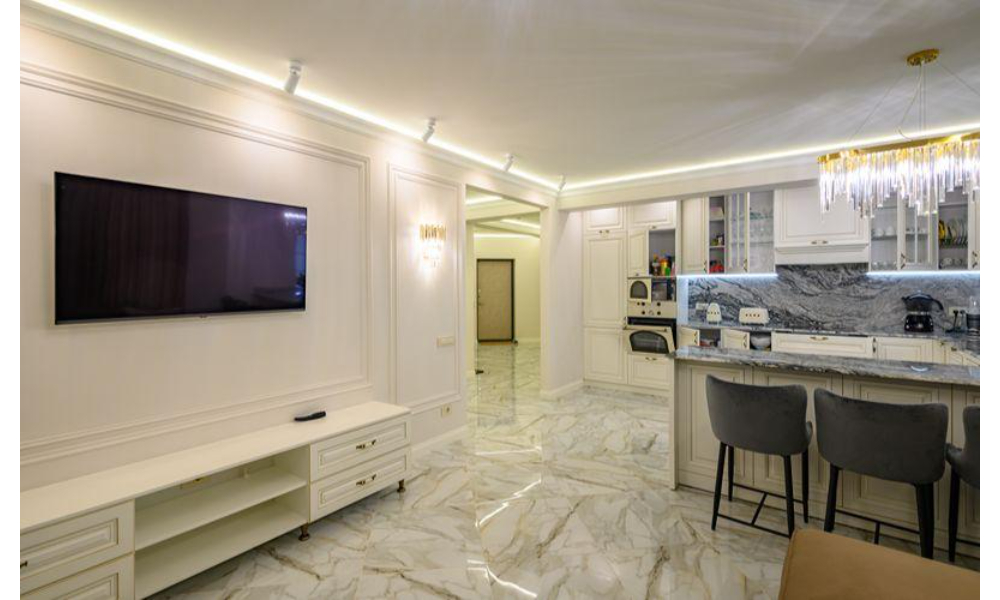
Culinary spaces gain tremendous value from geological surfaces. Worktops made from granite or marble offer exceptional heat resistance and durability.
Kitchen islands become architectural centrepieces when clad in these materials. Waterfall edges create dramatic visual impact while providing functional workspace.
Splashbacks extend the worktop material up the walls. This protects against cooking splashes while maintaining design cohesion.
Bathing areas transform with similar applications. Vanity tops resist water damage when properly sealed. Full-height shower installations create spa-like atmospheres with minimal grout lines.
| Application | Primary Benefits | Recommended Materials | Key Considerations |
|---|---|---|---|
| Kitchen Worktops | Heat resistance, durability, easy cleaning | Granite, quartzite, marble | Regular sealing required |
| Bathroom Vanities | Water resistance, elegant appearance | Marble, limestone, travertine | Proper sealing essential |
| Shower Walls | Spa-like atmosphere, minimal maintenance | Large-format slabs | Slip-resistant finishes |
Premium Finishes with Chiltern Marble Ltd
Professional installation ensures optimal performance in high-use environments. Chiltern Marble Ltd provides expert guidance on material selection and finishing techniques.
Their craftsmanship guarantees proper sealing and long-term durability. This attention to detail creates surfaces that maintain their beauty for years.
Innovative Uses: Accent Walls and Feature Panels
Contemporary interior design increasingly embraces feature walls as transformative elements that redefine spatial perception. A single mineral-based installation can become the room’s centrepiece, creating depth and character that flat surfaces cannot achieve.
Backlit Onyx and Dramatic Visual Effects
Backlit onyx panels create particularly striking effects in modern settings. When illuminated from behind, the material’s translucent qualities produce a luminous glow that transforms ordinary walls into artistic features.
This technique works beautifully in entryways or behind media units. The interplay between light and material creates dynamic visual interest throughout the day.
“A well-executed feature wall doesn’t just decorate a space—it defines it.”
Bold Versus Neutral Combinations
Design choices depend heavily on the desired atmosphere. Dramatic marble with bold veining makes a powerful statement in minimalist rooms. Conversely, subtle limestone provides textured backdrops for vibrant furnishings.
The selection process considers room characteristics. Darker slate adds warmth to bright spaces, while lighter travertine enhances rooms with limited natural illumination.
| Application | Recommended Materials | Lighting Effects | Design Impact |
|---|---|---|---|
| Living Room Feature | Marble, Quartzite | Grazing light for texture | Creates focal point |
| Bedroom Accent | Slate, Limestone | Soft ambient lighting | Adds warmth and depth |
| Hallway Statement | Backlit Onyx | Rear illumination | Modern, dramatic effect |
| Dining Area | Travertine, Marble | Strategic spotlighting | Enhances dining experience |
Proper scale consideration ensures balanced proportions. Full-height installations suit spacious rooms, while partial treatments work better in compact areas. The right accent wall elevates the entire interior design scheme.
Sustainability, Maintenance and Longevity
Environmental considerations are increasingly shaping material selections in modern residential projects. Homeowners now evaluate both aesthetic appeal and ecological impact when choosing finishes.
The growing preference for sustainable options highlights the advantages of geological materials. These elements offer exceptional durability while minimising environmental footprint.
Eco-Friendly Appeal of Natural Stone
This material’s environmental credentials stem from its natural formation process. Unlike manufactured alternatives, it requires no synthetic additives or energy-intensive production.
Its longevity contributes significantly to sustainable building practices. Properly maintained stone surfaces can serve for generations, reducing replacement needs and associated waste.
The material’s inherent durability eliminates frequent renovations. This conservation of resources makes it an environmentally conscious choice for homes seeking long-term value.
Essential Care and Restoration Tips
Different types require specific maintenance protocols. Granite and slate need sealing every few years, while marble and limestone benefit from annual treatment.
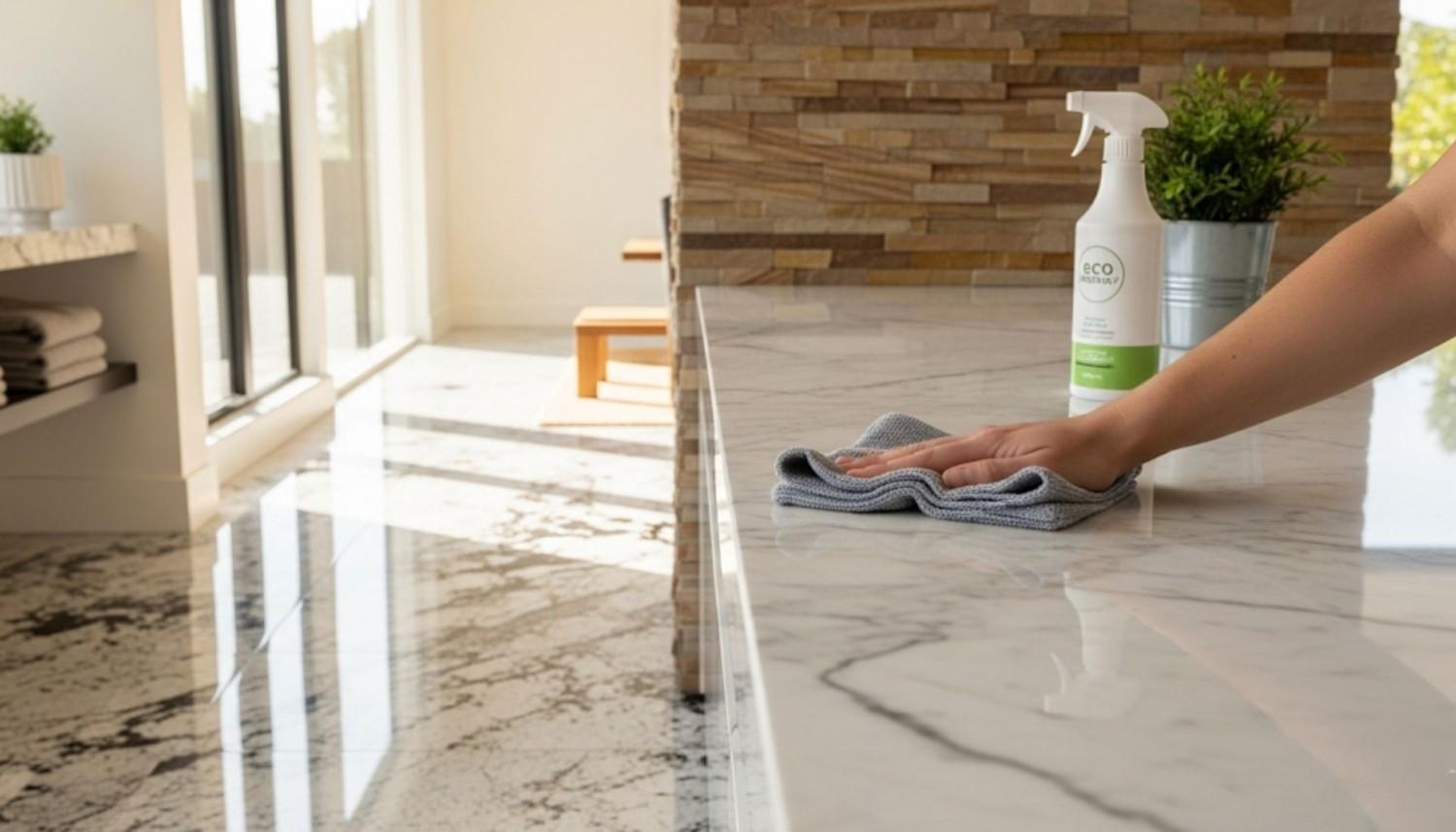
Daily care involves simple routines that preserve the material’s beauty. Regular sweeping removes abrasive grit, while prompt spill cleanup prevents staining.
Always use pH-neutral cleaners specifically formulated for these surfaces. Avoid vinegar and harsh chemicals that can damage the protective finish.
Professional restoration can renew aged stone flooring and other installations. Refinishing techniques can restore the original appearance, extending functional life indefinitely.
Combining Natural Stone with Contemporary Trends
Today’s residential spaces benefit from strategic material combinations that bridge classic durability with current style preferences. Geological materials demonstrate remarkable adaptability across evolving interior design movements.
Copper Elements and Country Styling
Copper accents represent a growing trend in modern interior design. These elements range from subtle door handles to striking accent tables.
The warm metallic tones complement various stone interior applications beautifully. White-based marbles like Bianco Carrara gain luxurious warmth when paired with copper touches.
Country styling, often called ‘cottagecore’, finds perfect harmony with geological materials. Tumbled limestone and sandstone create authentic rustic character in country homes.
Material pairing strategies enhance overall design cohesion. Wood elements balance stone’s solid character with organic warmth and grain patterns.
Successful combinations include slate with walnut for rich sophistication. Limestone with oak creates soft, welcoming rooms with timeless appeal.
Design Collaboration with Chiltern Marble
Professional guidance ensures optimal material selection for specific design visions. Chiltern Marble offers expert consultation on stone types and finishes.
Their expertise helps homeowners navigate the full range of available options. This ensures installations align perfectly with contemporary interior design trends.
The versatility of these materials allows adaptation to dramatically different contexts. From minimalist spaces to traditional settings, the same material achieves varied aesthetic results.
This chameleon-like quality ensures stone interior applications remain stylistically relevant. They complement emerging trends while maintaining enduring appeal.
Conclusion
Selecting materials for a residential project requires balancing aesthetic vision with practical realities. This guide has demonstrated how geological stone surfaces masterfully achieve this balance, enhancing any home interior with both beauty and resilience.
The remarkable versatility of these materials allows for creative expression from flooring to fireplace surrounds. Each piece offers a unique character, ensuring your rooms feature a genuinely one-of-a-kind look.
Ultimately, this choice represents an investment in timeless elegance and enduring quality. It provides a foundation of sophistication that will grace your living space for generations to come.
FAQ
What are the most popular materials for interior use?
Granite, marble, limestone, and travertine are highly sought-after choices. Each offers distinct textures and colours, from the bold veining of marble to the earthy tones of limestone, providing a wide range for design schemes.
How durable are these materials for high-traffic areas like kitchens?
Materials like granite are exceptionally hard-wearing and resistant to heat, making them ideal for worktops and floors. Proper sealing enhances their longevity, ensuring they withstand daily use while maintaining their beauty.
Can these materials be used to create an accent wall?
Absolutely. Feature panels, such as backlit onyx or a dramatic slate wall, can become a stunning focal point. They add depth and a unique touch to any room, from living spaces to bathrooms.
What maintenance is required to preserve the finish?
Regular care involves using pH-neutral cleaners and promptly wiping up spills. Some materials benefit from periodic sealing to protect against stains. Professional restoration can address etching or wear over time.
Are these surfaces considered an eco-friendly choice?
Yes, as a material quarried from the earth, it is a sustainable resource. Its durability means it rarely needs replacing, and its natural aesthetics contribute to a healthier indoor environment.
How can I incorporate these elements into a modern design?
A> Combining them with contemporary trends works beautifully. For instance, pairing honed marble with copper fixtures or using limestone floors in a country-style kitchen creates a sophisticated look that feels both current and timeless.