
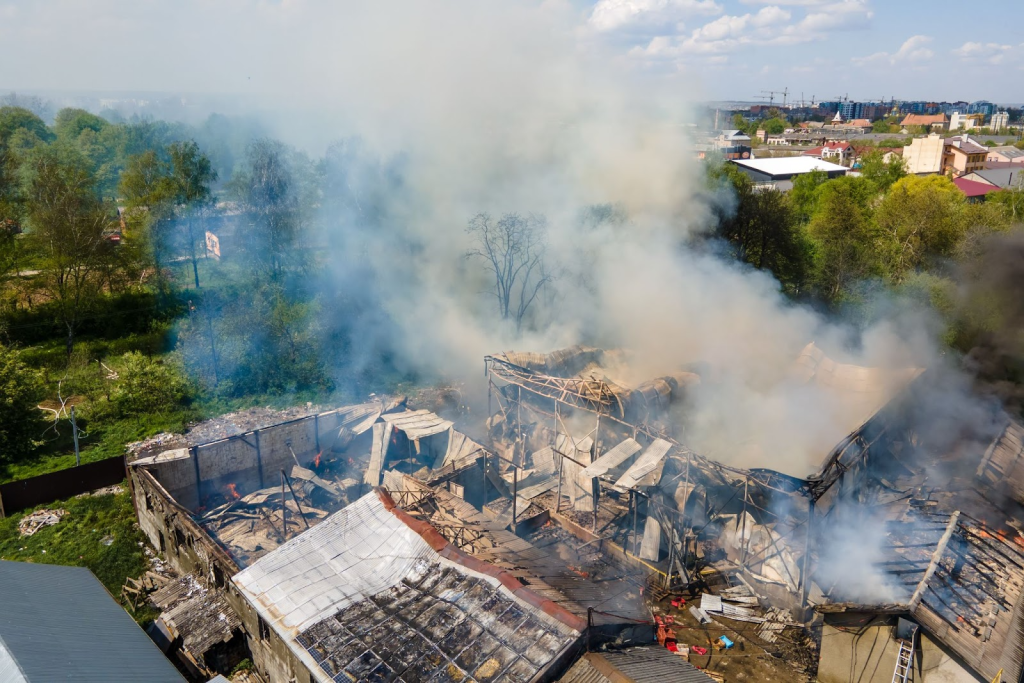
Smoke damage is not just a property problem. It can become a serious health concern if it is not treated properly. Even after the fire is out and visible soot is cleaned, harmful smoke particles can remain in the home. Over time, breathing in these particles can affect indoor air quality and lead to ongoing health issues for the people living there.
What Smoke Residue Is Made Of
Smoke residue contains a mix of tiny particles created when materials burn. These particles often include chemicals released from plastics, wiring, insulation, furniture, and household items. When these materials burn, they release toxic substances that settle on surfaces and remain in the air.
Soot particles are small enough to be inhaled deep into the lungs. Because they are often invisible, homeowners may not realize they are still present long after the fire.
How Smoke Damage Affects Breathing and Lungs
One of the most common long-term effects of untreated smoke damage is respiratory irritation. People may experience coughing, sore throats, shortness of breath, or chest tightness. These symptoms can become worse over time as smoke particles continue circulating through the home.
Children, older adults, and people with asthma or allergies are especially vulnerable. Prolonged exposure to smoke residue can trigger asthma attacks, worsen allergies, and increase the risk of respiratory infections.
Other Health Issues Linked to Smoke Exposure
Smoke exposure does not only affect the lungs. Long-term contact with smoke residue has been linked to headaches, dizziness, nausea, and fatigue. Some people develop skin irritation or rashes after touching contaminated surfaces.
In homes where smoke damage affects the HVAC system, residents may be exposed repeatedly every time the system runs. This ongoing exposure increases the risk of chronic health problems, even if symptoms seem mild at first.
Why Smoke Damage Gets Worse Over Time
Untreated smoke residue does not stay inactive. Changes in temperature and humidity cause smoke particles to become airborne again. This means exposure continues long after the initial fire.
In addition, smoke damage often combines with moisture from firefighting efforts or humidity in the home. This can lead to mold growth, creating another layer of health risk. Mold spores mixed with smoke particles make indoor air quality even worse.
Signs Smoke Damage Is Affecting Your Health
Some signs that smoke damage may be impacting health include persistent coughing indoors, recurring headaches, irritated eyes, or worsening allergy symptoms. If symptoms improve when you leave the home but return when you come back, smoke contamination may be the cause.
Lingering smoke odors are also a warning sign. Odors often indicate that smoke particles are still present and affecting air quality.
How Professional Restoration Protects Health
Professional smoke damage restoration focuses on removing harmful particles completely. This includes cleaning surfaces, treating air systems, and deodorizing hidden areas. Restoration teams use air filtration, specialized cleaning agents, and testing equipment to ensure indoor air is safe again.
“Smoke damage is a hidden health risk when it is not treated correctly,” says David Singleton, owner of Seattle Restoration Pros. “Professional cleanup removes the particles that cause long-term health problems.”
Protecting Your Family After Smoke Damage
If your home has experienced smoke exposure, do not assume it is safe once the smell fades. Smoke damage requires professional attention to protect health. Acting quickly reduces long-term risks and helps restore clean indoor air.
Your home should be a place where your family feels safe. Proper smoke damage restoration ensures the air you breathe is clean and healthy again.