

I have seen many renovation plans fail because the living situation was not planned early. That is where stress builds. Your daily routine gets disrupted, your timeline stretches, and your budget starts to shift.
If you are planning a project like a bathroom renovation, I suggest reading “Where to Stay During Home Renovation – Your Complete Guide” by Paul Demrovski. It gives a clear framework that helps you decide early and avoid last-minute decisions.
I will walk you through how to think about where to stay during a home addition, basement renovation, bathroom renovation, and kitchen renovation. I will also explain how to choose the right option based on your situation.
Start With One Simple Decision
Before you look at hotels or rentals, decide this:
Can you stay in your home, or do you need to leave?
I always tell people to focus on five basics:
- Can you sleep properly?
- Can you prepare food?
- Do you have a working bathroom?
- Is the space safe?
- Can you maintain your routine?
If even one of these breaks for more than a short period, staying in the house becomes difficult.
Where to Stay During a Home Addition
Home additions are one of the most disruptive projects. They often involve structural work, open walls, and heavy equipment.
In most cases, I recommend moving out.
Here are your main options:
- Stay with family or friends for short projects
- Book a short-term rental for longer projects
- Choose an extended-stay hotel if you want simplicity
A short-term rental usually gives the best balance. You get a kitchen, privacy, and space to maintain your routine.
If your addition involves removing walls or expanding into key living areas, staying in the house slows the project and creates safety risks.
Where to Stay During a Basement Renovation
A basement renovation can go either way.
You may be able to stay if:
- The work is contained to the basement
- You still have a working bathroom upstairs
- Noise and dust are controlled
You should leave if:
- The basement is your main living space
- There are moisture or air quality concerns
- The renovation includes major structural or plumbing work
If you stay, I suggest setting up a clean zone in another part of the house. Keep your essentials there and avoid moving through the work area.
If you leave, a short-term rental close to your home makes it easier to check progress.
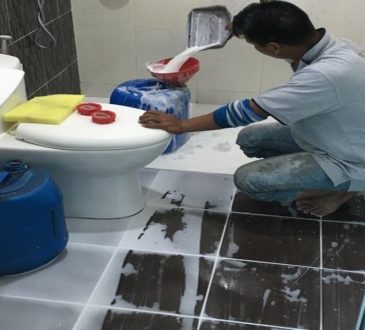
Where to Stay During a Bathroom Renovation
Bathroom renovations seem small, but they can disrupt daily life fast.
If your home has only one bathroom, I recommend moving out.
You need reliable access to:
- A shower
- A toilet
- Running water
Without those, your routine breaks down.
If you have multiple bathrooms, you may be able to stay. In that case:
- Keep one bathroom fully functional
- Confirm there will be no plumbing interruptions
- Ask about dust and noise control
For short projects, staying with family can work. For longer ones, a rental gives more comfort and stability.
Where to Stay During a Kitchen Renovation
Kitchen renovations affect daily life more than people expect.
If your kitchen is fully out of service, you lose:
- Cooking ability
- Food storage
- A central gathering space
You can stay if you set up a temporary kitchen with:
- A mini fridge
- A microwave
- Basic cooking tools
This works for short periods.
For longer renovations, I usually recommend leaving. Eating out every day adds cost and fatigue.
A short-term rental with a full kitchen helps you keep a normal routine.
How to Choose the Best Option
I guide people to compare options based on daily life, not just price.
Here is what to consider:
- Length of the renovation
- Distance from your home
- Access to kitchen and laundry
- Privacy and space
- Total cost, not just rent
Costs people often miss include:
- Food and takeout
- Travel time and fuel
- Storage units
- Cleaning fees
Build a buffer into your budget. Renovations can shift in timeline.
Why the Contractor Matters
Your living plan depends on how the project is managed.
That is why I suggest working with a company like PD Renovations.
They follow a structured process that helps reduce disruption:
- Clear planning before work begins
- Defined timelines and expectations
- Consistent updates during construction
- Strong attention to safety and site control
They have been operating since 2005 and have completed over 1,500 projects across Waterloo Region. Their experience with different home types helps them plan projects in a way that limits surprises.
They also provide a five-year warranty and maintain a strong reputation for communication and clean execution.
That level of planning makes it easier for you to decide whether to stay or leave.
Common Mistakes to Avoid
I see the same mistakes often:
- Booking temporary housing too late
- Underestimating how disruptive the work will be
- Assuming timelines will not change
- Focusing on design before planning living arrangements
Plan your stay before the renovation begins. That single step reduces stress more than anything else.
A Simple Planning Approach
- Confirm which rooms will be unusable
- Ask about utility interruptions
- Decide if staying is realistic
- Book your temporary housing early
- Separate daily essentials from stored items
This keeps your routine stable while the work moves forward.
The best decision is the one that protects your daily life while allowing the renovation to move without delays. Look at the real impact of the project, not just the cost of staying somewhere else. That is how you make a clear and practical choice.