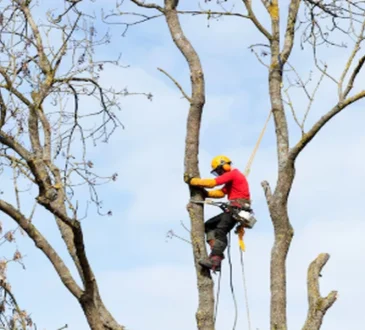

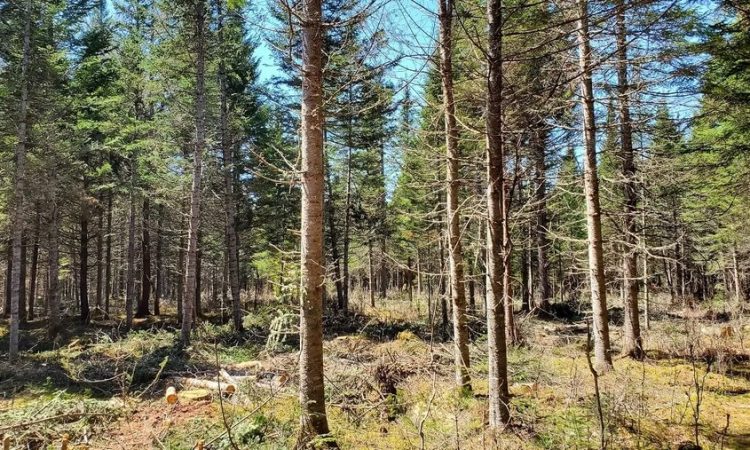
You can protect New England forests with sustainable forestry by setting measurable goals in a written plan, then building a defensible inventory of basal area, regeneration, soils, and hydrology. Use uneven-aged or variable-retention harvesting to meet vigor and spacing targets, not just value, so you don’t high-grade. Protect riparian buffers, stabilize trails and crossings, and time work on frozen or dry soils to limit compaction and sediment. Ongoing plot monitoring shows what to adjust next.
Define Sustainable Forestry in New England
Start with outcomes: in New England, sustainable forestry means planning and carrying out timber harvests that maintain—or improve—long-term forest productivity, biodiversity, water quality, and carbon storage while still supporting local wood markets. You define it by what you measure: regeneration success, residual stand vigor, soil compaction, stream temperature, and habitat structure across rotation cycles. You use uneven-aged or variable-retention approaches where site conditions favor them, protect riparian buffers, and time operations to frozen or dry soils to limit rutting. You also design cuts that sustain early-successional patches and pollinator corridors, linking openings with native shrubs and flowering trees. Because parcels are small and fragmented, you’ll face urban adoption challenges: limited access, neighbor concerns, and pressure to be invasive. You overcome them through transparent monitoring and data-driven adaptive treatments.
Set Goals and Write a Forest Management Plan
How do you turn “sustainable forestry” into actions you can defend on the ground and in the data? You start by setting measurable goals, then locking them into a written forest management plan with timelines, thresholds, and decision triggers. Define your target conditions for habitat structure, carbon retention, water quality buffers, and climate resilience, and specify how you’ll evaluate tradeoffs. Build in contingencies for pests, drought, and storm blowdown, and plan for regeneration that maintains seed diversity, not just volume. Link practices to standards you can certify against and to monitoring metrics you can report annually. Finally, map your operational constraints—roads, seasonal access, and neighbor impacts—so the plan improves market access without sacrificing conservation outcomes.
Start Sustainable Forestry With an Inventory
Before you mark a tree or schedule a harvest, build a defensible forest inventory that quantifies what you have and where it sits on the landscape. Use a GPS-enabled map and stratify by cover type, age class, slope, and hydrology so your estimates scale. Measure fixed-radius plots for basal area, species composition, regeneration density, snag and coarse woody debris, and canopy closure; record uncertainty and sampling intensity.
Add condition layers that drive resilience: delineate deer browse zones, flag pest hotspots, and plan invasive species prevention by mapping access points, skid roads, and disturbed edges. Capture soil health indicators—compaction, rutting risk, organic horizon depth, and streambank stability—using rapid field protocols. Then you’ll prioritize treatments with traceable, data-backed baselines.
Use Sustainable Selective Harvesting, Not High-Grading
When you use sustainable selective harvesting, you remove trees based on silvicultural objectives—favoring vigor, spacing, and regeneration—so you can sustain growth and protect soil, water, and wildlife habitat. You’ll avoid high-grading by not targeting only the largest or most valuable stems, which depletes genetic quality, simplifies structure, and reduces long-term timber value. By retaining a mix of species, age classes, and canopy layers, you maintain stand diversity and resilience to pests, storms, and climate stress.
Benefits Of Selective Harvesting
Across New England’s mixed hardwood–conifer stands, sustainable selective harvesting can improve forest health while keeping canopy cover and soils largely intact. By removing limited, well-distributed trees, you reduce competition, increase residual growth, and maintain a multi-aged structure that buffers drought and windthrow. Retained crowns moderate evapotranspiration, while intact litter layers protect infiltration and nutrient cycling.
You’ll also lower disease spread by prioritizing sanitation cuts and improving airflow, which can reduce fungal pressure in dense regeneration. Selective layouts can conserve wildlife corridors by keeping connected canopy and understory cover, supporting interior birds and wide-ranging mammals. Economically, you can supply timber markets with steadier, higher-quality yields over time, while documenting retained biomass for emerging carbon credits. With good inventory data and marking protocols, you can optimize stand response and track outcomes.
Preventing Forest High-Grading
How do you tell sustainable selective harvesting from high-grading? You check whether removals follow a prescription or chase only the most valuable stems. High-grading strips the stand’s best genotypes, leaves low-vigor trees, and depresses future growth and carbon uptake. You prevent it by inventorying basal area, marking by objective criteria (crown class, defect, spacing, regeneration protection), and setting residual stocking targets before the saw starts. You’ll also retain seed sources from native species suited to site conditions, rather than removing them first. Protect soil health with low-impact equipment, designated skid trails, and operations timed to frozen or dry ground to limit compaction and rutting. Verify outcomes with post-harvest metrics: residual damage rates, basal area, and growth plots.
Maintaining Stand Diversity
Why does stand diversity matter as much as harvest volume in New England forests? Because structure and species mix drive resilience, carbon storage, and long-term yield. You’ll protect regeneration by using sustainable, selective harvesting: mark trees by diameter and species, retain legacy stems, and maintain uneven-aged gaps instead of removing only the best timber. That approach avoids high-grading, preserves genetic quality, and stabilizes forest economics by sustaining future sawlog and pulp options. You’ll also reduce compaction and erosion with planned skid trails and seasonal timing, improving soil health and water quality. Keep connected cover and riparian buffers so you don’t break wildlife corridors. Finally, share prescriptions, monitoring data, and adaptive results to build public engagement and a license to operate.
Protect Soils and Streams With Forestry BMPs
To protect New England forest productivity and water quality, you’ll apply forestry BMPs that reduce soil disturbance and keep sediment out of waterways. You can control erosion with properly located skid trails, water bars, stabilized stream crossings, and prompt seeding or mulching on exposed soils. You’ll also maintain streamside buffer zones to filter runoff, shade and cool streams, and protect banks and aquatic habitat during operations.
Erosion Control Measures
Across New England’s steep slopes and flashy headwater streams, a little exposed soil can quickly become a lot of sediment—so erosion control has to start before equipment moves in. To limit soil erosion and strengthen stream protection, you’ll plan traffic, keep water off exposed mineral soil, and stabilize disturbed areas fast. Use site data (slope, erodibility, rainfall intensity) to size BMPs and verify performance after storms. Prioritize:
- Designated skid trails and landings: confine disturbance, avoid wet pockets, and keep grades moderate.
- Drainage controls: install waterbars, rolling dips, and broad-based turnouts to disperse flow.
- Rapid stabilization: seed and mulch, apply erosion-control blankets, and armor outlets with rock.
You’ll reduce turbidity risk while keeping operations efficient and adaptive.
Streamside Buffer Zones
How close can you cut or drive equipment before a stream starts paying the price? Establish a streamside buffer zone and treat it as critical infrastructure. Keep heavy equipment out, limit crossings, and maintain a no-disturbance strip where roots hold banks and filter sediment. You’ll reduce fine sediment delivery that smothers macroinvertebrate habitat and clogs spawning gravels. Retain mixed, native canopy to deliver streamside shading that stabilizes temperature and protects dissolved oxygen. Use variable-width buffers: widen on steep slopes, erodible soils, and near seeps. Leave coarse woody debris inputs while avoiding slash in channels. Design buffers to provide a windbreak function that limits blowdown into openings and maintains the microclimate. Monitor turbidity after storms and adapt your layout accordingly.
Keep Forests Resilient With Mixed Species and Ages
Because single-species, even-aged stands tend to amplify pest outbreaks, windthrow, and drought stress, you’ll keep New England forests more resilient by managing for a mix of species and age classes. Use gap-based thinning, variable-retention harvests, and underplanting to diversify structure while maintaining a continuous canopy where needed.
Prioritize locally adapted, climate-forward species mixes and monitor regeneration to prevent shifts in dominance. Treat heterogeneity as risk management: it spreads susceptibility across taxa and time, stabilizing growth and carbon, and buffering hydrologic function after disturbance. You’ll also reduce the establishment of invasive species by maintaining vigorous, shaded understories and rapidly reoccupying exposed soil, especially along wildlife corridors.
- Maintain ≥3 co-dominant species per stand unit
- Create multiple cohorts (seedling, sapling, pole, mature)
- Track survival, basal area, and pest indicators annually
Leave Habitat Features That Support Wildlife
Where do you get the biggest biodiversity gains per acre with the least operational tradeoff? You keep structural habitat features during harvests. Retain cavity trees, large live “legacy” stems, and snags where they don’t create safety hazards; they supply nesting sites, roosts, and prey base. Leave downed coarse woody debris in a range of sizes to stabilize moisture, support fungi, and provide cover for amphibians and small mammals. Protect vernal pools, seeps, and riparian buffers with no-equipment zones to maintain cool, connected microclimates. Build habitat connectivity by aligning retention patches across stand boundaries and along ridgelines and streams; these serve as wildlife corridors that reduce fragmentation. When you mark trees, cluster retention to preserve interior conditions while keeping skid trail efficiency.
Prevent Pests and Invasives During Sustainable Forestry
Even small lapses in harvest hygiene can move pests and invasive plants farther and faster than natural dispersal ever would. You’ll cut risk by treating every landing, truck, and tool as a potential vector for invasive species and pathogens, especially when shifting between watersheds or soil types. Build pest prevention into your operations plan and contract language, then verify it in the field.
- Clean and inspect equipment, boots, and chains daily; remove soil, seeds, and bark fragments before transport.
- Stage logs and slash on low-risk surfaces; keep material out of roadside ditches and stream buffers to limit spread corridors.
- Source certified weed-free fill, mulch, and seed; avoid contaminated gravel, and disinfect cutting tools after suspect trees.
These steps reduce inoculum pressure without sacrificing productivity.
Regenerate Naturally and Track Results Over Time
How do you keep a New England harvest sustainable after the last load leaves the landing? You let the site re-seed itself where feasible, using retention patches, seed trees, and calibrated gap sizes that match shade tolerance and browse pressure. You protect advanced regeneration by limiting skid trails, keeping slash where it deters deer, and timing operations on frozen ground to prevent rutting that buries seedlings. Then you verify outcomes with regenerative monitoring: establish permanent plots, record species, height classes, and stocking, and measure competing vegetation and soil disturbance. Use time-series tracking with repeat measurements (e.g., years 1, 3, 5, 10) and GIS layers to detect trajectory shifts early. You adapt prescriptions when trends miss targets.
Frequently Asked Questions
How Can Landowners Access Cost-Share Programs for Sustainable Forestry in New England?
You can access cost-share programs by contacting your local NRCS office and your state forestry agency, then applying through EQIP, CSP, and state stewardship grants. You’ll typically need a current forest management plan, mapped stands, and resource objectives that meet practice standards. If you’re small landowners, partner with a consulting forester to assemble inventories, timelines, and budgets. You can also use land trust referral networks and online grant portals.
What Certifications (FSC, SFI, ATFS) Are Best for Small New England Woodlots?
Like choosing a compass, you’ll typically find that ATFS is best for small New England woodlots because it’s designed for family forests and has a lower administrative burden. For market access and the strongest conservation rigor, choose FSC, especially via group certification to cut costs. Use **SFI** if you sell into industrial supply chains and need scalable auditing. Do certification comparisons against your best practices: habitat metrics, BMP compliance, and chain-of-custody needs.
How Do Local Zoning Laws and Permits Affect Forestry Operations in New England?
Local zoning laws and permits can constrain when, where, and how you harvest by regulating access roads, stream crossings, and landings. You’ll face Local zoning review, permitting thresholds for acreage, wetlands, and erosion controls, and Timber harvest setbacks from property lines, waterbodies, and steep slopes. Expect Neighbor objections to trigger hearings, added conditions, or seasonal limits. You reduce risk by mapping constraints early, documenting BMPs, and coordinating with town, state, and conservation staff.
How Can Sustainable Forestry Improve Carbon Credits or Climate Incentives for Landowners?
You can improve carbon credits and climate incentives by managing your forest to measurably increase additional, durable carbon storage and document it under an approved protocol. You’ll use inventories, growth-and-yield models, and remote sensing to quantify baseline vs. improved management, then verify third-party. You’ll extend rotations, retain larger trees, protect soils, and reduce emissions from harvest. You must meet permanence, leakage, and monitoring requirements to keep credits marketable.
How Do You Choose and Hire a Reputable Consulting Forester or Logging Contractor?
Don’t sign yet—first, you choose by testing the proof. Ask for a written scope, sample contracts, and recent references, then confirm insurance, certifications, and state licensing: that’s how to verify credentials. Require a harvest plan with BMPs, stream buffers, and regeneration targets. Next, solicit at least three itemized proposals with volumes, prices, and compliance terms; that’s how to compare bids. Audit past sites for residual damage and soil compaction.
Conclusion
You protect New England forests by managing them for long-term function, not short-term volume. You’ve set measurable goals, built an inventory, and followed a plan that favors selective cuts over high-grading. You’re guarding water and soils with BMPs, sustaining resilience through mixed species and age classes, and retaining habitat structures. You’re also limiting pests and invasives, then relying on natural regeneration and monitoring. Done well, your stewardship works like a watershed filter—quietly delivering lasting, verifiable benefits.