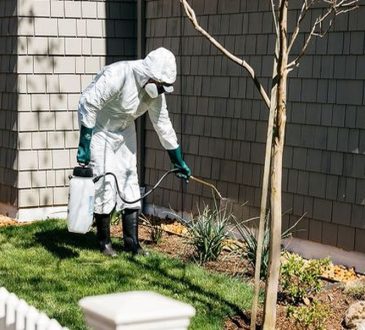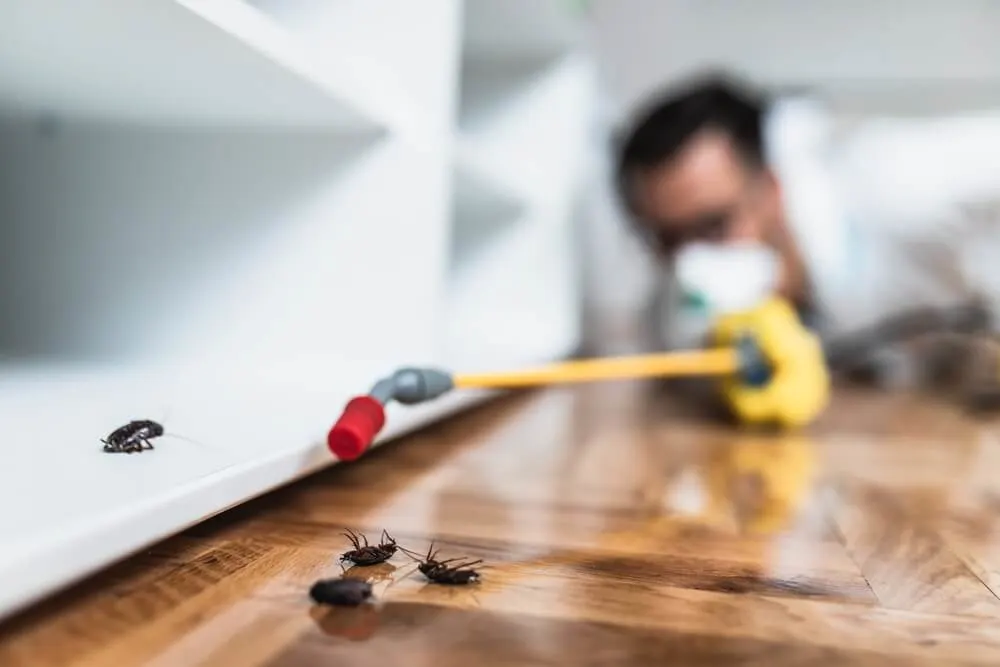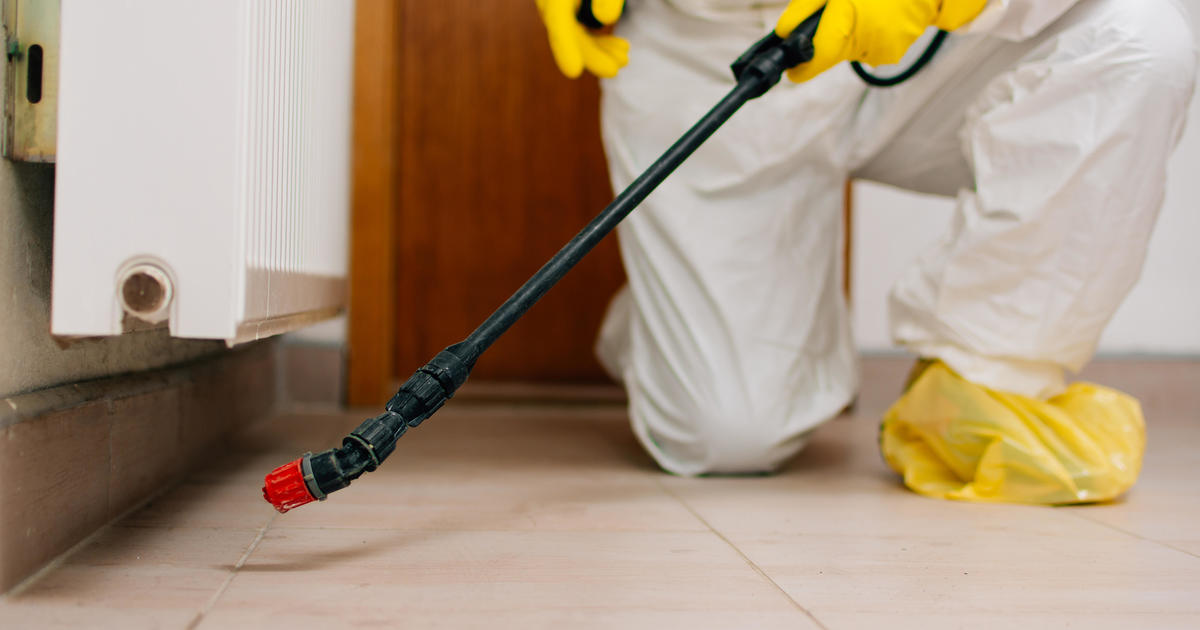

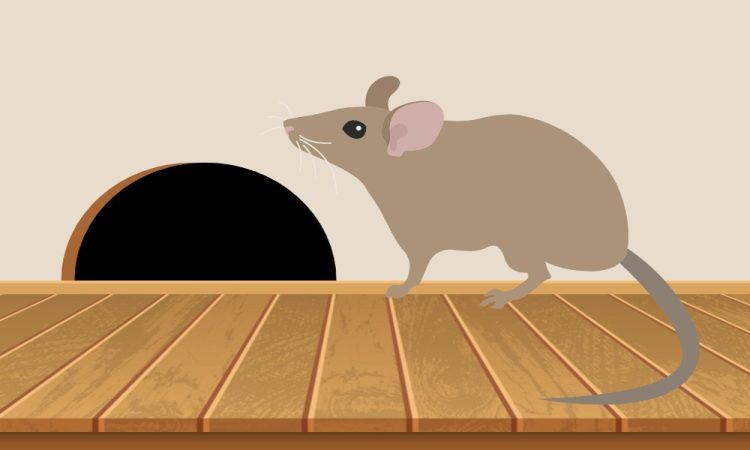
Naperville consistently ranks among the best places to live in Illinois. It is home to well-maintained properties and well-managed neighborhoods. The investment people put into their homes reflects pride of ownership. This is the reason why homeowners must talk about what rodents can do to a Naperville home in one winter. They should have a Pointepestcontrol.net expert to turn to whenever they deal with rodents in their homes.
A rodent infestation that goes undetected from October through March can generate repair bills that run into the thousands of dollars. The damage can accumulate in walls, attics, crawl spaces, and mechanical systems while life goes on normally upstairs.
The Wiring Problem Nobody Wants to Discover
Electrical damage is a serious consequence of a rodent infestation. Mice and rats gnaw on wiring constantly because their teeth never stop growing, and they need to wear them down. Electrical wiring inside wall cavities is accessible, abundant, and located in the warm zones rodents prefer for harborage.
Rewiring a portion of a home’s electrical system can cost between $1,500 and $5,000, depending on the extent of damage and accessibility. This cost climbs in finished basements or behind drywall because remediation requires opening walls before any electrical repair can begin.
In addition, chewed wiring is a fire hazard. The National Fire Protection Association has identified rodent damage to wiring as a contributing factor in a percentage of house fires with unknown origin. Insurance may cover some of this, but only after the damage has already occurred.
HVAC Systems and Ductwork
Naperville winters are cold, and homes rely heavily on their heating systems from November through March. Rodents are drawn to HVAC equipment for the warmth it generates. Duct systems provide ideal travel corridors through a home once mice find access. The financial damage here takes several forms:
- Nesting material packed into ductwork restricts airflow and forces the system to work harder. This drives up energy bills over the course of a winter before anyone identifies the cause.
- Insulation wrapped around ductwork in crawl spaces and attics gets shredded for nesting material. This reduces its R-value and compromises the home’s thermal performance. Replacing duct insulation in a crawl space typically runs $800 to $2,000, depending on the extent of damage and the home’s size.
- Rodent urine and droppings inside duct systems create an air quality problem. This requires professional sanitization before the system can safely circulate conditioned air through the home. Duct cleaning and sanitization after a rodent infestation averages $300 to $700.
Insulation
Mice nest in insulation. They flatten it, saturate it with urine, and contaminate it with droppings throughout the season. Blown-in insulation that arrives at an R-49 rating can lose a substantial portion of its thermal performance when compacted and soiled by rodent activity.
Full attic insulation replacement in a mid-size Naperville home runs between $2,000 and $6,000, depending on square footage, insulation type, and whether remediation is required before new material goes in. Rodent droppings in attic insulation carry hantavirus risk. Disturbing contaminated material without proper protocol creates a hazard.
Structural Wood and Drywall
Rodents gnaw on structural elements for the same reason they attack wiring. The repair costs depend on location and extent:
- Damaged sill plates near the foundation. These often require a contractor and may involve temporary support of the structure above during replacement. Sill plate repair estimates in the Chicago metro area commonly range from $500 to $2,500 per affected section.
- Drywall damage from rodent activity or from the remediation process itself. Opening walls to access wiring, remove nesting material, or assess structural damage requires drywall removal and replacement that typically runs $300 to $800 per affected area after labor and materials.
- Subfloor damage in areas with persistent moisture and rodent activity can require board replacement. This is particularly important in bathrooms, laundry rooms, and basement utility areas where both conditions often overlap.