
Contemporary Architectural Interior Space Planning
Spatial planning is the cornerstone of any successful project. It optimises the use of area within a structure to achieve specific design goals. This process fundamentally enhances the experience of the people using it.
Whether crafting a cosy home or a sleek office, the principles remain vital. This ultimate guide explores these principles in depth. It provides a comprehensive roadmap from foundational concepts to advanced techniques.
Understanding both the artistic vision and the technical precision required is crucial. This balance is key for residential, commercial, and mixed-use environments. A successful scheme harmonises beauty with rigorous functionality.
Modern approaches often embrace open-plan concepts and multi-functional zones. Flexible solutions are designed to adapt to evolving lifestyle needs. This guide will deliver professional insights and evidence-based strategies.
Readers can expect detailed coverage of zoning, circulation patterns, and smart storage. The integration of technology and the balance between aesthetics and practicality are also covered. The goal is to create environments that are both inspiring and supremely usable.
Key Takeaways
- Spatial planning is the essential foundation for creating functional and attractive environments.
- A successful design balances aesthetic vision with precise technical requirements.
- Modern layouts favour flexibility and multi-use zones over rigid, traditional room definitions.
- Effective planning directly enhances user experience in any setting, from homes to workplaces.
- This guide offers a comprehensive journey from basic concepts to advanced professional techniques.
- Critical topics include strategic zoning, efficient circulation, and integrated storage solutions.
- The ultimate aim is a harmonious environment that works beautifully for its occupants.
Introduction to Modern Interior Space Concepts
At the heart of today’s most successful homes and offices lies a philosophy centred on fluidity and light. This approach moves away from boxy, separated rooms. It champions open, adaptable layouts that reflect how people truly live.
“The real test of modern design lies in balancing function and style to ensure spaces feel warm and liveable.”
Setting the Stage for Contemporary Design
Beginning a project requires a careful assessment of the existing area. Professionals measure dimensions and note structural constraints. They also identify opportunities to create innovative, connected zones.
|
Aspect |
Traditional Approach |
Modern Approach |
|
Core Philosophy |
Defined, separate rooms for single uses. |
Open, multi-functional zones with fluid connectivity. |
|
Visual Style |
Often ornate, with defined stylistic periods. |
Clean lines, uncluttered spaces, and maximised natural light. |
|
Process Starting Point |
Often begins with aesthetic preferences. |
Begins with understanding user behaviour and daily routines. |
Understanding the Design Process
A structured process is fundamental. It starts with gathering detailed programme data. This includes client needs, lifestyle patterns, and functional must-haves.
This research leads to a comprehensive brief. It captures the desired mood, aesthetic preferences, and practical priorities. This brief guides every subsequent decision, ensuring the final interior design is both personal and highly functional.
Understanding Contemporary Architectural Interior Space Planning
The deliberate arrangement of a property’s internal areas is fundamental to its success and daily enjoyment. This strategic process organises floor area to achieve specific goals and enhance how people experience a place. It ensures efficient use, maximises potential, and prevents awkward layouts.
In the United Kingdom, where property sizes are often limited, this approach is paramount. Every square metre must work hard to deliver both functionality and comfort.
Definition and Importance
Contemporary architectural interior space planning is the strategic process of organising and allocating area. It optimises functionality, circulation, and aesthetic appeal within built environments. Its importance cannot be overstated.
It is the essential framework that turns empty volume into a liveable, effective home or workplace. Good design starts with this rigorous organisational phase.
Key Considerations in Planning
Several critical factors must be addressed during the planning phase. A detailed dimensional analysis comes first, alongside understanding structural constraints like walls and columns.
User requirements and daily routines are then mapped onto this framework. Regulatory compliance and the integration of building services are also vital from the start.
This forward-thinking method prevents common pitfalls. These include wasted floor area, poor circulation routes, and inadequate storage. It also creates adaptable environments that can evolve with future needs.
Principles Behind Effective Space Planning
Effective organisation within a home or office is guided by several key aesthetic and functional concepts. These principles form the foundation for creating rooms that are both beautiful and practical.
The relationship of proportion and scale is crucial. Furniture and features must feel right for the room’s size and for the people using it. This creates a harmonious and comfortable environment.
Balance distributes visual weight. Symmetrical layouts feel formal and ordered. Asymmetrical arrangements offer a more dynamic, modern look.
Rhythm and repetition create a sense of flow. Repeating colours, materials, or shapes guides the eye and movement. This establishes a coherent sequence throughout the area.
Strategic emphasis creates focal points. A fireplace or artwork can anchor a room. This directs attention and helps users navigate the space intuitively.
Harmony and unity ensure all elements work together. The goal is a cohesive feel, where nothing seems out of place. This makes an environment feel intentionally designed.
These design principles must always serve practical planning. Good aesthetics enhance how a space is used. Mastery of these fundamentals results in layouts that are psychologically comforting and easy to understand.
Function, Zoning, and Layout Considerations
Functional zoning is the strategic practice of grouping rooms and areas by their primary purpose. This form of planning creates a logical layout that supports daily living.
Most homes are organised into four primary zones:
- Social zones for gathering and entertainment.
- Work zones for cooking, laundry, and home office tasks.
- Private zones for sleep and personal care.
- Storage zones for organisation and clutter control.
Social and Private Zoning
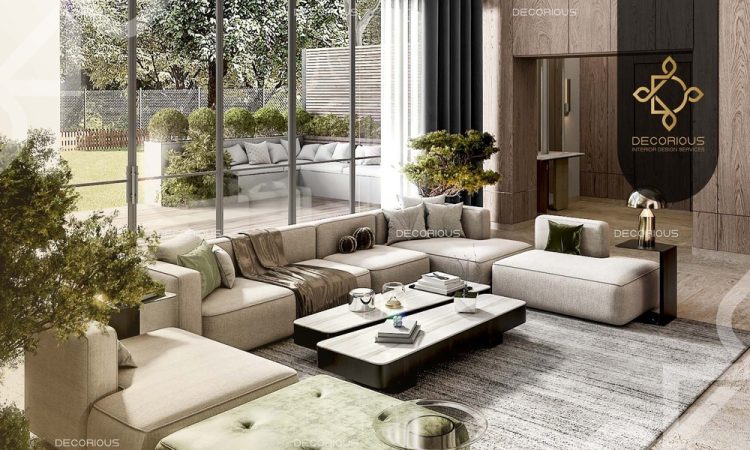
Social areas, like the living room, are designed to be welcoming and open. They often feature visual connections to other parts of the home to encourage interaction.
Private zones, such as bedrooms, require separation for privacy and quiet. They are typically positioned away from noisy household activity to create restful retreats.
Overlapping and Interrelated Areas
Modern layouts frequently blend zones. A kitchen-diner combines food preparation and dining into one flowing space. This facilitates family life and flexible use.
Certain areas have strong adjacency needs. The kitchen benefits from being near the dining area. Conversely, noisy and quiet zones should be separated to protect privacy.
The design process translates these relationships from simple bubble diagrams into detailed floor plans. It also accommodates dedicated home office areas, reflecting evolving work patterns.
Maximising Space Through Innovative Design Techniques
Making a home feel larger and work smarter relies on a blend of structural and decorative tricks. These approaches maximise the use of every square metre. They create environments that feel open, airy, and highly adaptable.
Stretching Space with Visual Tricks
Structural changes make the biggest impact. Open-plan layouts with few walls remove visual barriers. Half-walls or glass partitions define areas without closing them off.
Extensive windows and glass doors flood a room with natural light. They also blur the line between inside and outside. Using vertical space with high ceilings or skylights adds a sense of volume.
Decorative choices enhance this effect. Light, cool colours on walls make surfaces seem to recede. Smooth textures and wall-to-wall flooring promote an unbroken visual flow.
Strategically placed mirrors reflect light and views, doubling the perceived area. Choosing small-scale, leggy furniture maintains openness. Glass tables and clean-lined pieces help too.
|
Technique Category |
Primary Method |
Key Benefit |
|
Structural Methods |
Open-plan schemes, extensive glazing, high ceilings. |
Removes physical barriers, connects zones, and increases perceived volume. |
|
Decorative & Furniture Choices |
Light colours, mirrors, scaled-down and transparent furnishings. |
Creates optical illusions of depth and maintains clear sightlines. |
Multi-use Open-plan Strategies
A single, open design can serve many purposes. This multi-functional approach is central to modern living. A kitchen-diner, for example, combines cooking, eating, and socialising.
Flexible furniture allows a space to transform quickly. A living area can become a home office by day. Eliminating unnecessary walls saves on construction costs.
It also improves the distribution of daylight across the entire floor plan. This strategy maximises utility without needing more square metres.
Circulation Patterns and Flow in Modern Interiors
Circulation planning forms the invisible framework that makes an environment truly liveable. It defines the pathways people follow when moving through a home. A well-considered flow is fundamental for creating functional, comfortable rooms that work intuitively.
Effective design minimises unnecessary corridor space while ensuring adequate width for comfortable passage. Key routes, like hallways and staircases, require 1 to 1.5 metres. This allows two-way traffic without congestion.
Optimising Traffic Flow
A primary goal is to prevent rooms from becoming mere thoroughfares. This compromises their primary function. Another common pitfall is door placement that forces people through the middle of a furniture grouping.
Pathways should also avoid exposing private or untidy areas to general view. Traffic routes must connect functional zones logically. They should respect the privacy gradient from public to private areas.
Avoiding Bottlenecks and Enhancing Navigation
Strategic door positioning is crucial. Placing openings near room corners, rather than in the centre of a wall, preserves usable wall length. This maximises flexibility for furniture arrangement.
In open-plan designs, circulation differs. Implied pathways are defined by furniture arrangement, floor treatments, or subtle level changes. Walls are not needed to guide flow.
Professionals analyse this during the planning phase. They use annotated floor plans with arrows to map movement. This reveals potential bottlenecks or conflicts before any work begins, ensuring a natural flow.
Storage Solutions for Efficiency and Clutter Reduction
Well-conceived storage arrangements transform chaotic spaces into models of efficiency and calm. Adequate provision is often underestimated during initial design stages, leading to persistent organisation problems.
The fundamental principle is to locate storage at the point of first or most frequent use. This ensures everyday items are stored where needed, preventing unnecessary trips across the home.
Built-in and Hidden Storage Options
Specific zones require tailored solutions throughout residential properties. Entrance halls need storage for coats and shoes. Kitchens demand organised areas for food, cookware and appliances.
Utility rooms house cleaning equipment, while bedrooms require wardrobe systems for clothing. Each zone benefits from integrated solutions that maintain clean aesthetics.
Built-in cabinetry makes excellent use of available area. Floor-to-ceiling units and under-stair storage utilise otherwise wasted volume. Recessed shelving provides capacity without protruding into rooms.
Hidden strategies maintain minimalist appeal while offering substantial capacity. Ottoman storage, bed bases with integrated drawers, and handleless cabinets with push-release mechanisms work beautifully. These approaches keep possessions neatly concealed.
Kitchen planning presents particular challenges. It requires careful consideration of food storage, cookware organisation and appliance housing. Everything should be within ergonomically accessible locations.
In open-plan layouts, storage must not introduce visual clutter. Multi-functional furniture with hidden compartments and carefully designed cabinetry maintain flowing, spacious character. This makes storage an integral part of the overall design.
Balancing Aesthetics with Practicality
A successful scheme doesn’t force a choice between looking good and working well; it seamlessly delivers both. The best design resolves the tension between visual appeal and daily needs. It creates rooms that are both inspiring and supremely usable.
Harmonising Style and Function
Function should always guide aesthetic decisions. The visual language of a room emerges from its purpose. This principle, often called ‘form follows function’, creates inherent appeal.
Professionals manipulate core elements like shape, light, colour, and texture. These tools build spaces that are beautiful and practical. Clean lines and uncluttered compositions support this balanced approach.
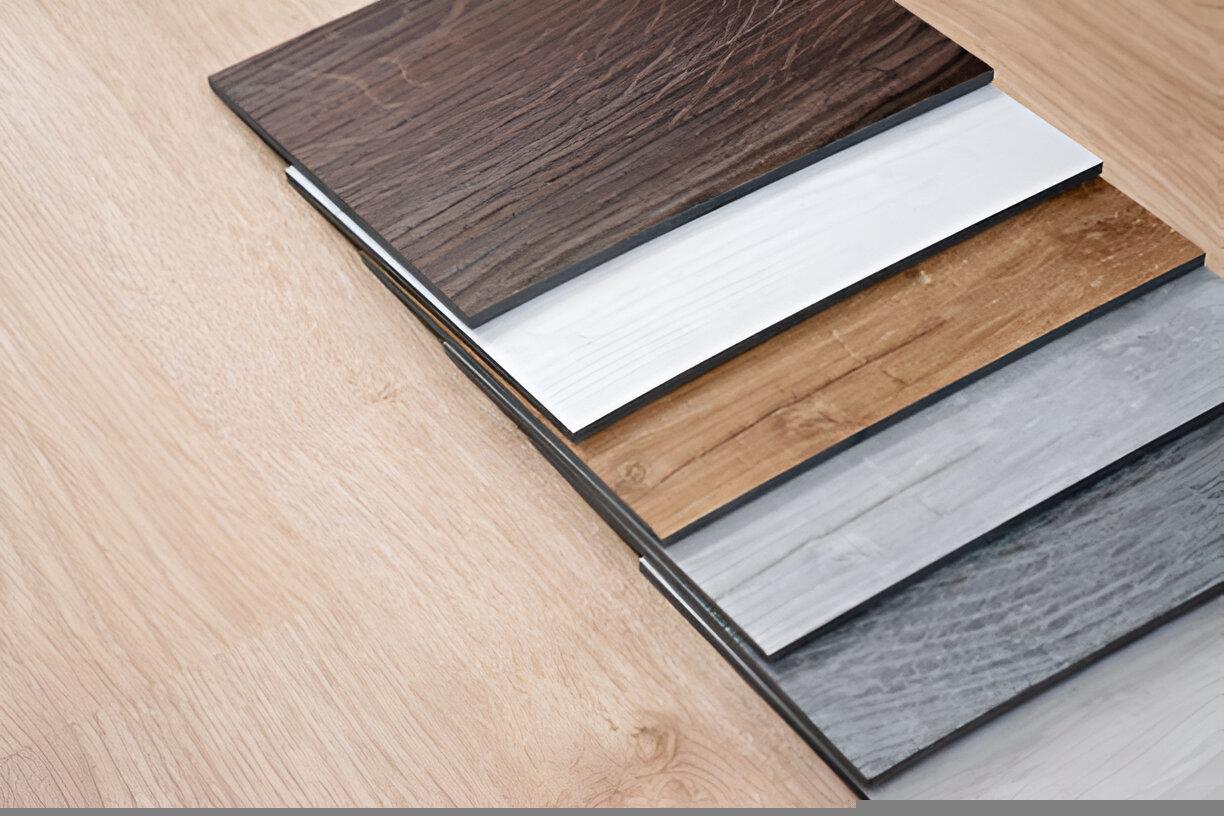
Material selection is a critical intersection. Choices must satisfy visual preferences for style and aesthetics. They must also meet performance needs for durability, ease of care, and tactile comfort.
“A room’s true beauty is measured by how it makes you feel and how effortlessly it serves your life.”
Ultimately, comfort bridges the gap. A visually stunning interior must also provide physical ease and psychological wellbeing. Thoughtful materials, appropriate scale, and good acoustics complete the sense of harmony. This ensures a design is loved for its style and relied upon for its functionality every day.
Integrating Technology in Space Planning
A truly forward-thinking layout now incorporates robust infrastructure for smart systems and connectivity. This integration must be considered during the initial planning phase, not added as an afterthought. It ensures environments can adapt to evolving technology.
Smart Home and Office Systems
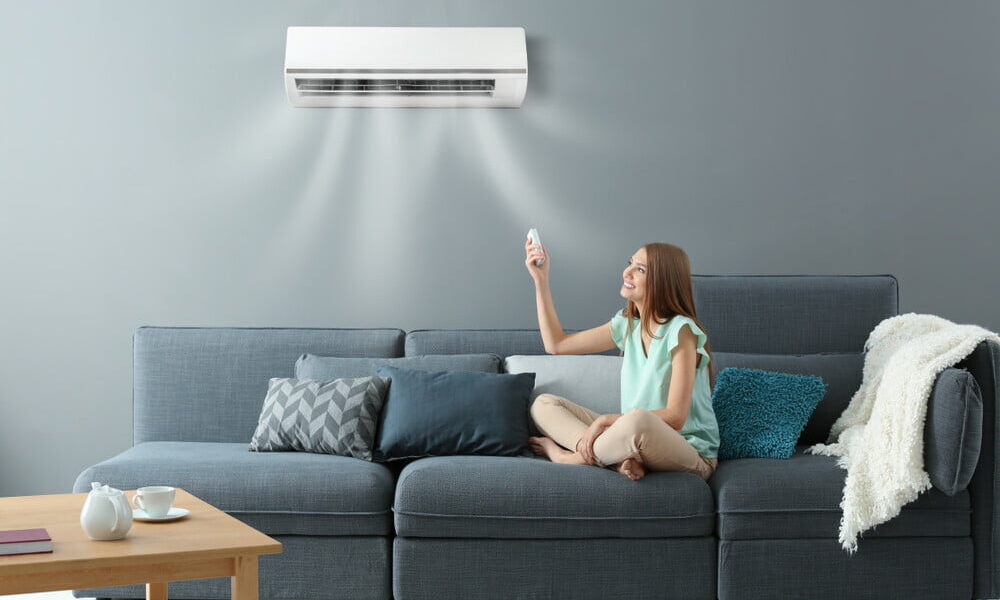
Modern expectations include integrated systems for lighting, climate, security, and entertainment. These require careful early decisions about device placement and control points. A cohesive design weaves these elements into the fabric of the space.
Lighting is a prime example of sophisticated tech integration. Programmable layers of ambient, task, and accent lighting can adapt to different activities. This approach defines mood and enhances functionality throughout the day.
|
Zone |
Key Tech Consideration |
Infrastructure Need |
Concealment Strategy |
|
Living Area |
Integrated audio-visual & mood lighting |
Conduit for speaker wires, HDMI |
In-wall cabling, recessed speakers |
|
Home Office |
High-speed data, task lighting, power |
Multiple data ports, dedicated circuits |
Managed cable trays, built-in desks |
|
Building Core |
Network servers, smart hubs |
Ventilated cabinet, UPS power |
Dedicated utility cupboard |
Practical requirements are fundamental. These include ample power outlets, structured data cabling, and dedicated spaces for routers or control panels. The home office presents a specific challenge, needing ergonomic setups for extended use.
The ultimate goal is unobtrusive integration. Successful planning conceals wires and hardware seamlessly. This maintains clean aesthetics without sacrificing any capability, resulting in a harmonious and highly functional design.
Inspirational Insights from Sepia Design and Sepia Trends
Industry leaders like Sepia Design offer a masterclass in applying sophisticated concepts to real-world challenges. Their philosophy ensures every project is functional, seamless, and blends current ideas with timeless principles.
This integrated approach keeps creativity and technical execution under one roof. It guarantees consistency and results that match the client’s vision perfectly.
Industry Case Studies and Expert Advice
Professional designers at studios like Sepia begin with deep client lifestyle analysis. They develop bespoke solutions for specific site conditions and user needs.
Learning from these experts provides proven strategies for common hurdles. These include irregular room shapes or limited natural light.
|
Project Type |
Primary Challenge |
Strategic Approach |
Key Outcome |
|
Compact Urban Flat |
Maximising utility in a small footprint. |
Multi-functional furniture and clever vertical storage. |
A flexible, open-feeling home office and living area. |
|
Expansive Family Home |
Creating defined zones within an open plan. |
Using floor materials and ceiling features to imply boundaries. |
Spacious, flowing spaces that still offer privacy. |
|
Commercial Office |
Fostering collaboration while allowing for focus. |
A mix of open workstations, quiet pods, and breakout areas. |
An adaptable environment that boosts staff wellbeing and productivity. |
Skilled designers balance client preferences with established design principles. The result is a personalised interior that reflects the occupant’s identity while being highly functional.
Engaging experienced professionals is invaluable. They bring comprehensive knowledge of materials, regulations, and construction to ensure a successful outcome for your home.
Conclusion
The true measure of a successful project lies in its lasting ability to enrich the lives of its occupants. This guide has illustrated how space planning synthesises analytical rigour with creative vision.
Mastering this blend allows designers to shape interior environments that genuinely support wellbeing. The principles and process discussed serve as essential tools.
They empower professionals to balance functionality with aesthetics, addressing the unique needs of each household. Thoughtful planning early on profoundly influences outcomes.
Whether for homes or workplaces, investing in this disciplined design approach creates spaces that stand the test of time. It transforms mere areas into settings for meaningful living. For example, a well-planned home office boosts productivity and comfort.
Ultimately, effective space planning is the foundation for creating homes and spaces that are both beautiful and practical. It ensures every design decision contributes to a better quality of living.
FAQ
What is the primary goal of effective space planning?
The core aim is to create a harmonious and efficient environment that supports the occupants’ lifestyle. It strategically organises a home’s zones, furniture, and lighting to enhance both daily functionality and the overall mood.
How can I create distinct zones in an open-plan layout?
Designers use various techniques to define different areas without walls. These include changing floor materials, using strategic lighting schemes, placing area rugs, and arranging furniture to suggest natural boundaries between living, dining, and kitchen spaces.
Why is considering ‘flow’ so important in a design?
Good circulation ensures easy and intuitive movement between rooms. A well-planned flow prevents bottlenecks, improves safety, and makes a home feel more spacious and connected, directly impacting comfort and practicality.
What are some clever storage solutions for modern homes?
Built-in joinery is a highly effective method. Think of floor-to-ceiling cupboards, window seats with hidden compartments, and under-stair storage. These integrated options maximise utility while maintaining clean lines and reducing visual clutter.
How do I balance aesthetic style with practical needs?
Successful design marries both. Choose durable, easy-clean materials for high-use areas that also complement your chosen look. Furniture should be both beautiful and comfortable, proving that good design never sacrifices one for the other.
Can technology be integrated into the initial planning stages?
Absolutely. Early planning for smart systems is crucial. This includes wiring for automated lighting, climate control, and security, as well as planning conduit for future tech. Companies like Sepia Design often advise on integrating these systems seamlessly from the start.