
Electricity plays an essential role in everyday life, powering everything from household appliances and lighting to heating systems and modern technology. However, as residential properties become more dependent on electrical equipment, maintaining a safe and reliable electrical system has become increasingly important. Companies such as ZG Electrical Inc operate in the electrical contracting sector, where professional installation, maintenance, and system upgrades are important aspects of modern property infrastructure.
Why Electrical Systems Require Regular Attention
An electrical system is made up of several interconnected components, including circuit breakers, wiring, outlets, switches, and distribution panels. Each component serves a specific purpose, and problems with one part can affect the performance of the entire system.
Over time, electrical infrastructure may experience wear and tear. Older wiring, outdated panels, loose connections, and overloaded circuits can create potential safety concerns. These problems are not always immediately visible, which makes periodic inspections an important part of property maintenance.
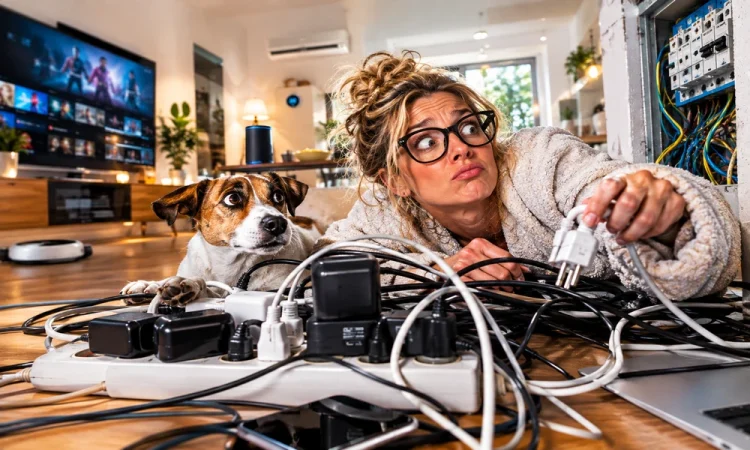
Homeowners should pay attention to warning signs such as frequently tripping breakers, flickering lights, unusual buzzing sounds, warm outlets, and burning odors. These symptoms may indicate an underlying electrical issue that requires professional assessment rather than temporary repairs.
Understanding the Importance of Electrical Panels
An electrical panel distributes incoming electricity throughout a property. It contains circuit breakers designed to interrupt the flow of electricity when a circuit experiences an overload or short circuit.
As households introduce additional appliances, air conditioning systems, electric vehicle chargers, and other high-demand equipment, the electrical load can increase significantly. An older panel may not have sufficient capacity to accommodate these additional requirements.
A panel upgrade may be necessary when the existing equipment is outdated, damaged, insufficient for current demand, or unable to support planned improvements. However, replacing a panel is not automatically required whenever a homeowner purchases a new appliance.
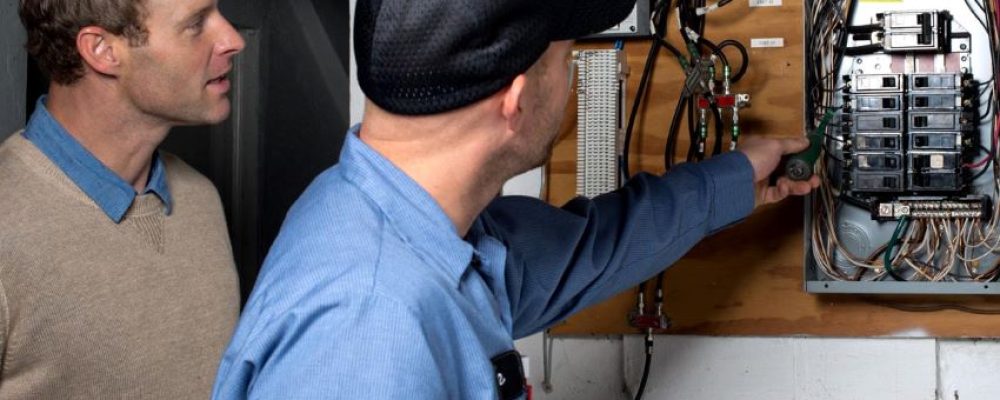
A qualified electrician can evaluate the property’s electrical load, existing service capacity, and future requirements before recommending an appropriate solution. Proper labeling and installation also make it easier to identify individual circuits during maintenance or emergencies.
How Electric Vehicle Chargers Affect Residential Electricity
Electric vehicles are becoming an increasingly common transportation option. Along with this change, residential charging infrastructure has become an important consideration for homeowners.
Level 1 charging generally uses a standard household outlet and provides relatively slow charging. Level 2 charging uses a higher-voltage circuit and can deliver electricity more quickly, making it suitable for regular home charging.
Installing a Level 2 charger requires more than simply mounting a charging unit on a garage wall. The electrician must consider several technical factors:
- Electrical panel capacity: The existing service must support the additional electrical demand.
- Dedicated circuits: Charging equipment generally requires an appropriately sized dedicated circuit.
- Wiring requirements: Conductors must be selected according to the equipment specifications and installation conditions.
- Protective devices: Appropriate circuit protection and grounding arrangements are essential.
- Installation location: Indoor and outdoor installations have different environmental considerations.
A professional load calculation helps determine whether the existing electrical infrastructure can accommodate a charging station or whether additional work is necessary.
The Role of Dedicated Circuits in Modern Properties
Not every electrical appliance should share the same circuit. Equipment with higher power requirements, such as electric ovens, dryers, HVAC systems, and certain workshop machines, may require dedicated circuits.
A dedicated circuit supplies electricity to a specific appliance without sharing its electrical capacity with other outlets or equipment. This arrangement helps manage electrical loads and reduces the possibility of circuit overloads.
Dedicated circuits are also relevant when installing specialized equipment such as hot tubs, saunas, and certain home entertainment systems. These installations may require particular voltage ratings, grounding arrangements, disconnects, and protective devices.
The exact requirements depend on the equipment manufacturer’s instructions and applicable electrical codes. Having these details evaluated before installation can prevent unnecessary modifications later.
What Makes Electrical Safety Inspections Important?
Electrical inspections help identify potential hazards before they develop into more serious problems. They are particularly useful when purchasing an older property, renovating a home, adding major appliances, or experiencing repeated electrical interruptions.
During an inspection, an electrician may examine the following areas:
| Component | What Should Be Evaluated |
|---|---|
| Electrical panel | Breaker condition, capacity, labeling, and visible damage |
| Wiring | Insulation condition, connections, and signs of deterioration |
| Outlets | Grounding, physical condition, and overheating |
| Switches | Proper operation and loose connections |
| Grounding system | Appropriate grounding and bonding arrangements |
| Protective devices | Suitability and operation of required protection |
Homeowners can also refer to the Consumer Product Safety Commission’s Home Electrical Safety Checklist for additional safety guidance.
An inspection should not be limited to identifying existing faults. It should also consider whether the current installation can safely accommodate future electrical requirements.
Improving Energy Efficiency Through Better Electrical Planning
Electrical efficiency is not determined by the amount of electricity a property consumes alone. Equipment selection, system design, operating habits, and maintenance all influence overall energy performance.
LED lighting is one example of a relatively straightforward improvement. These bulbs generally consume less electricity than traditional incandescent lighting while offering a longer operating life.
Smart lighting controls, programmable thermostats, occupancy sensors, and energy monitoring systems can also help households understand and manage electricity consumption.
For larger improvements, homeowners may consider upgrading outdated electrical infrastructure before installing new energy-intensive equipment. Planning these projects together can help avoid repeated installation work.
However, energy efficiency and electrical safety are separate considerations. An energy-efficient appliance still requires correctly rated wiring, suitable circuit protection, and an appropriate installation.
Why Professional Installation and Electrical Codes Matter
Electrical work involves technical requirements that extend beyond connecting wires and installing equipment. Incorrect wire sizing, improper grounding, inadequate circuit protection, and poorly secured connections can create serious hazards.
The National Fire Protection Association publishes NFPA 70, commonly known as the National Electrical Code, which provides requirements for electrical installations in the United States. The code is intended to help protect people and property from electrical hazards.
The NFPA Electrical Cycle of Safety also explains the relationship between safe electrical design, installation, equipment maintenance, and workplace safety.
Local authorities may adopt specific editions of electrical codes and additional requirements. Permits and inspections may also be necessary depending on the nature of the project and local regulations.
Hiring appropriately licensed professionals helps ensure that electrical work is evaluated, installed, and documented according to applicable requirements.
Preparing a Property for Future Electrical Needs
Modern homes are likely to require more electrical capacity as technology continues to develop. Electric vehicles, heat pumps, home offices, smart appliances, and renewable energy equipment can all influence future electricity demand.
Planning ahead can make property improvements more manageable. Homeowners should consider their existing panel capacity, available circuit space, expected appliance additions, and potential renovation plans.
It is also useful to maintain records of electrical upgrades, inspection reports, permits, and equipment specifications. These documents can assist future electricians in understanding the property’s infrastructure and identifying previous modifications.
Rather than waiting for an electrical problem to interrupt daily activities, regular maintenance and informed planning can help property owners manage their systems more effectively.
Conclusion
A reliable electrical system requires more than functional outlets and working lights. It depends on properly designed circuits, suitable electrical panels, appropriate protective equipment, and regular attention to changing household requirements.
Understanding the basics of electrical infrastructure helps homeowners recognize potential warning signs, plan upgrades, and make informed decisions about new technology. With proper installation practices, professional inspections, and responsible maintenance, residential electrical systems can remain safer, more efficient, and better prepared for future demands.