
Mold growth in your home can be alarming, especially when you hear the term “black mold.” While all mold should be taken seriously, not every type poses the same level of risk. Understanding the difference between black mold and other common molds can help you determine when it’s time to call in professional remediation services.
What Is Black Mold?
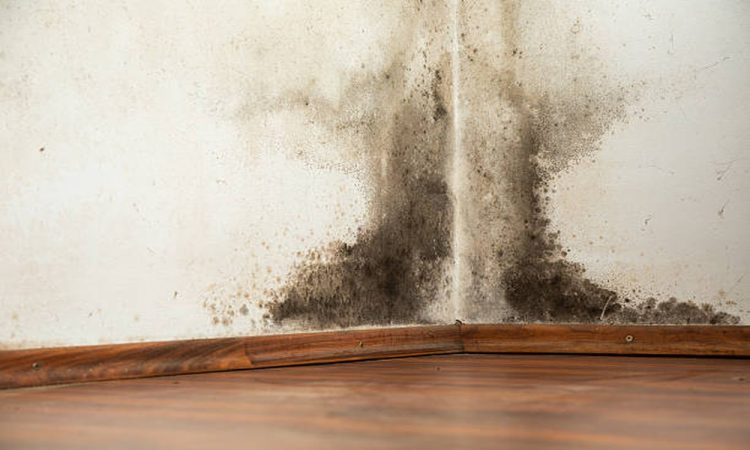
“Black mold” typically refers to Stachybotrys chartarum, a dark green or black mold that thrives in damp, cellulose-rich materials like drywall, wood, and insulation. It often develops after prolonged moisture exposure, such as leaks or flooding. Black mold is associated with potential health issues, including respiratory irritation, headaches, and allergic reactions, particularly in sensitive individuals.
What Is Regular Mold?
Regular mold includes a wide variety of species that can appear in different colors-white, green, yellow, or gray. These molds commonly grow in areas with excess moisture, such as bathrooms, kitchens, and basements. While they may not always be as notorious as black mold, they can still cause health concerns and property damage if left untreated.
Key Differences to Consider
The main difference between black mold and other molds lies in toxicity potential and growth conditions. Black mold typically requires more consistent moisture and may produce mycotoxins, while other molds spread more easily in everyday damp conditions. However, all mold types can weaken building materials and affect indoor air quality.
When to Call a Professional
Professional remediation is recommended when mold covers a large area (generally more than 10 square feet), keeps returning, or is caused by significant water damage. You should also seek expert help if mold is located in HVAC systems, behind walls, or in hard-to-reach areas, where proper containment and removal require specialized equipment.
Why Professional Remediation Matters
Certified professionals use advanced techniques such as containment barriers, HEPA filtration, and antimicrobial treatments to safely remove mold and prevent cross-contamination. They also address the root cause-moisture-ensuring the problem doesn’t return.
Final Thought
Whether it’s black mold or another type, no mold problem should be ignored. While small, surface-level mold can sometimes be handled with proper precautions, larger or recurring issues require professional attention. Acting quickly helps protect your health, preserve your property, and maintain a safe indoor environment.
Written by a professional at The Hazmat Team, this post reflects expert insight. Choose a trusted asbestos abatement contractor serving Orange, Riverside, Los Angeles, and the Inland Empire, including Garden Grove mold remediation. The Hazmat Team provides safe removal backed by experience and care.