
For decades, a fire watch meant a person with a clipboard, a flashlight, and a watch. That core idea still holds, but the tools available to guards have changed considerably. Mobile devices, location tracking, thermal sensors, and cloud storage are making patrols easier to verify and, in some cases, better at finding hazards. This article describes the main technologies appearing in fire watch work and explains where human judgment remains essential.
When modern tools are paired with experienced Fire Watch Guards, property owners gain both real-time visibility and seasoned on-site intuition during system outages. Trained personnel know how to leverage digital checkpoints and heat-sensing gear to spot hidden risks faster while providing the critical decision-making and immediate emergency response that automated software alone cannot deliver.
Digital Logs and Location Tracking
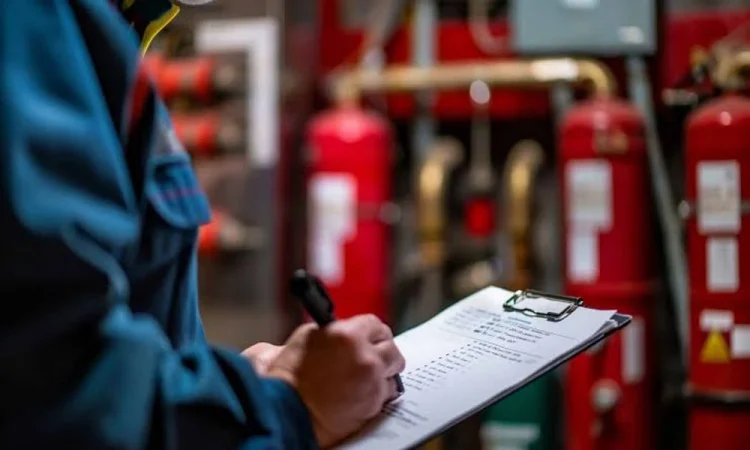
Paper logs are easy to misplace and, in theory, easy to fill out after the fact. Digital reporting apps solve some of those problems by stamping each entry with the time and, in many systems, the guard’s location. Checkpoints can be marked with tags that the guard scans during a round, creating proof that every area was visited. Property owners can often view this information as it is created, and fire officials or insurers can receive organised records afterwards.
Thermal Imaging
Thermal cameras detect heat rather than visible light. Guards who carry them can scan electrical panels, equipment, and walls for hot spots that the eye cannot see. This is particularly useful after hot work or following a fire, when smouldering material may be hidden behind surfaces. Thermal devices have become smaller and cheaper, and some attach directly to phones, though a hot reading still needs to be interpreted sensibly by a trained person.
Communication and Remote Oversight
Reliable communication has always mattered in fire watch work, and modern tools improve it. Smartphones, radios, and messaging apps allow guards to report findings immediately and send photographs to supervisors. Some providers offer dashboards that display patrol progress in real time. In large or complex buildings, remote monitoring can help a supervisor spot missed rounds and send additional help quickly.
The Limits of Technology
No device can replace the guard’s alertness. A scanner confirms that someone reached a checkpoint, not that they looked carefully. Batteries die, networks fail, and sensors can mislead. Before relying on digital records, owners should confirm that the local fire official accepts them, and guards should still carry backup methods of communication and recording.
Choosing and Introducing the Right Tools
Adopting new technology should begin with the fire official’s expectations, since some jurisdictions still ask for specific log formats. Buyers should look at how easily guards can learn the system, whether it works without a constant network connection, how long records are stored, and who can access them. A short trial on a single property can reveal practical problems before a larger rollout. Guards also need training that covers both the device and the underlying fire safety duties, so that the technology serves the mission rather than becoming the center of the job.
Conclusion
Technology is making fire watch patrols more transparent and, in some respects, more effective. The best programs treat these tools as support for trained people rather than substitutes for them, combining accurate digital records with the experience and judgment that only a well-prepared guard can supply.