
Choosing the right materials for outdoor living projects starts with defining how the space will be used. Whether it’s for entertaining, relaxing, or dining, the function of the area influences the type of materials that will perform best. High-traffic spaces require durable surfaces, while decorative areas can prioritize aesthetics. Materials should strike a balance between beauty and functionality to ensure long-term satisfaction.
Considering Climate and Weather Conditions
Matching Materials to Your Environment
Climate plays a major role in material selection. Areas with high humidity or frequent rain benefit from moisture-resistant materials like composite or PVC, which resist rot and mold. In hotter climates, UV-resistant materials help prevent fading and surface damage. Choosing weather-appropriate materials ensures longevity and reduces maintenance over time.
Durability Against the Elements
Natural stone and high-quality composites are known for their ability to withstand harsh weather conditions. Stone, in particular, can last for decades with minimal wear, making it a reliable choice for patios and walkways.
Evaluating Maintenance Requirements
Low-Maintenance Options
If convenience is a priority, materials like composite decking and PVC are excellent choices. These options require minimal upkeep and only occasional cleaning, making them ideal for busy homeowners.
Traditional Materials and Upkeep
Wood remains a popular choice for its natural beauty, but it requires regular sealing and maintenance to prevent warping, cracking, and decay. While it offers a classic look, it demands more time and effort to preserve its appearance.
Balancing Budget and Long-Term Value
Initial Cost vs Longevity
Budget is an important factor, but it’s essential to consider long-term value. Lower-cost materials like concrete or pressure-treated wood may save money initially but often require more maintenance and earlier replacement. Premium materials such as composite or natural stone typically last longer and provide better overall value.
Smart Investment Choices
Investing in higher-quality materials can reduce repair and replacement costs over time. Durable materials not only enhance the lifespan of your outdoor space but also improve its overall appeal and usability.
Matching Style and Aesthetic Appeal
Creating a Cohesive Design
The materials you choose should complement your home’s architecture and landscape. Natural stone and brick offer a timeless look, while composite and concrete provide a more modern and versatile appearance.
Blending Function with Design
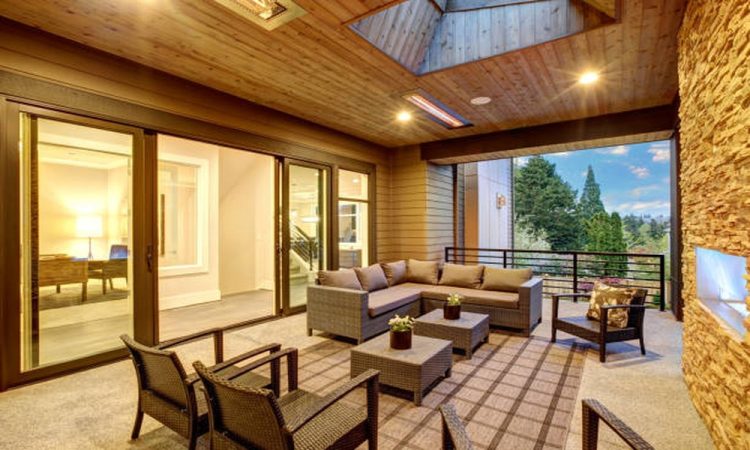
A successful outdoor living space combines visual appeal with practicality. Selecting materials that align with your design vision while meeting performance needs ensures a cohesive and inviting environment.
Final Thoughts
Selecting the right materials for outdoor living projects involves careful consideration of climate, maintenance, budget, and style. By choosing materials that align with your lifestyle and environmental conditions, you can create a durable, attractive outdoor space that enhances your home for years to come.
This post was written by a professional at Sunrise Proscapes. Based in West Seneca, NY, Sunrise Proscapes provides full-service hardscaping solutions including custom patios, walkways, retaining walls, granite countertops, seasonal landscaping, and outdoor kitchens. Known for excellence in custom outdoor kitchens in Williamsville, NY, we serve West Seneca, Buffalo, Orchard Park, East Aurora, Hamburg, and surrounding Western New York communities. Our experienced team delivers tailored guidance and professional installation, making us a trusted choice for hardscaping near you focused on craftsmanship, design, and lasting quality.