
Modern furniture can change more than the appearance of a home; the right pieces can improve movement, storage, comfort, and how each room is used. Dallas homeowners often work with open floor plans, large living areas, and multifunctional spaces, making furniture selection an important part of interior design. A well-planned approach balances contemporary style with practical everyday requirements.
What Defines Modern Furniture?
Modern furniture is generally characterized by clean lines, functional forms, restrained decoration, and materials such as wood, metal, glass, and upholstery. Designers including Florence Knoll and Ludwig Mies van der Rohe helped establish principles associated with modern design, while contemporary manufacturers continue adapting those ideas for residential interiors.
A modern sofa, dining table, or bedroom set typically emphasizes proportion and usability rather than elaborate ornamentation. Materials such as walnut, oak, steel, leather, and performance fabrics allow contemporary furniture to combine visual simplicity with durability and everyday comfort.
Modern furniture should not be confused with contemporary furniture, although the terms are often used interchangeably. Modern design traditionally refers to a specific design movement that developed during the 20th century, while contemporary design describes current styles that can incorporate modern, minimalist, industrial, Scandinavian, or other influences.
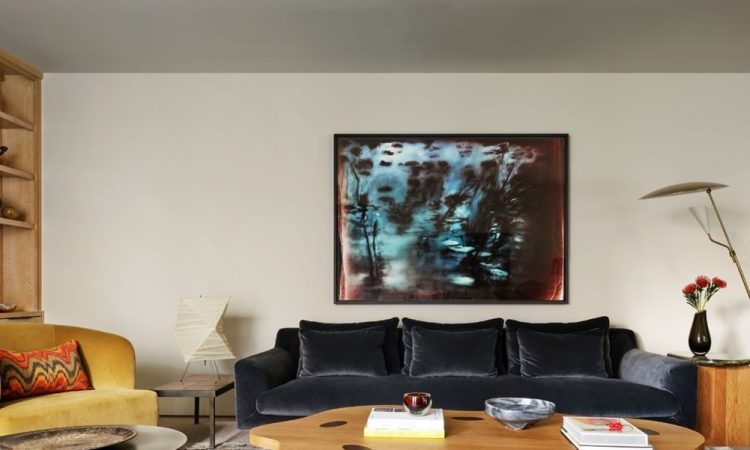
Color also plays an important role in modern interiors. Neutral shades such as white, gray, beige, black, and natural wood tones can create a consistent foundation, while accent chairs, rugs, artwork, and decorative objects can introduce stronger colors without overwhelming the room.
Key Benefits of Modern Furniture for Dallas Homes
Space efficiency is one of the main advantages of modern furniture. Low-profile sofas, streamlined dining tables, storage cabinets, and modular seating can provide the necessary functionality without making a room feel visually crowded, which is particularly useful in apartments and open-concept homes.
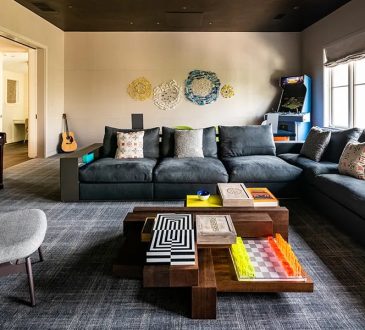
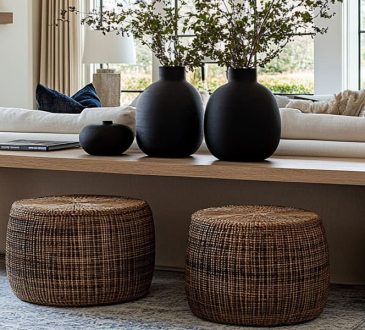
Modern furniture can also improve the flow between different areas of a home. An appropriately sized sectional can define a living area within an open floor plan, while a console table or sideboard can create a visual transition between the living room, dining area, and kitchen.
Durability is another important consideration for households that use their furniture heavily. Hardwood frames, quality joinery, reinforced metal components, and performance upholstery can help furniture withstand repeated daily use while maintaining its appearance over time.
Flexible furniture can support changing household needs. Extendable dining tables, modular sectionals, nesting tables, and storage ottomans allow homeowners to adapt rooms for activities ranging from everyday meals to entertaining guests.
Furniture can also influence perceived room proportions. A large sectional may anchor an expansive living room, while a narrow sofa and compact occasional tables can make a smaller room easier to navigate without sacrificing seating capacity.
How to Choose Modern Furniture for a Home
The first step is measuring the room before purchasing furniture. Homeowners should record wall lengths, doorway widths, ceiling heights, window positions, and the locations of electrical outlets and heating or cooling vents before selecting large pieces.
Furniture dimensions should correspond to the scale of the room. A sofa that is 100 inches wide may work well in a large living area but overwhelm a smaller space, while a compact loveseat may leave an expansive room looking unfinished.
Traffic flow should receive equal attention. Interior designers generally leave sufficient walking space between major furniture pieces, with approximately 30 to 36 inches often used as a comfortable circulation range in frequently traveled areas.
The intended function of the room should guide furniture selection. A living room designed primarily for television viewing may require a different seating arrangement from a formal entertaining space, while a home office may prioritize ergonomic seating, desk dimensions, storage, and cable management.
Material selection should reflect both aesthetics and maintenance requirements. Leather can offer a durable, easy-to-clean surface, while performance fabrics can provide stain resistance for households with children or pets.
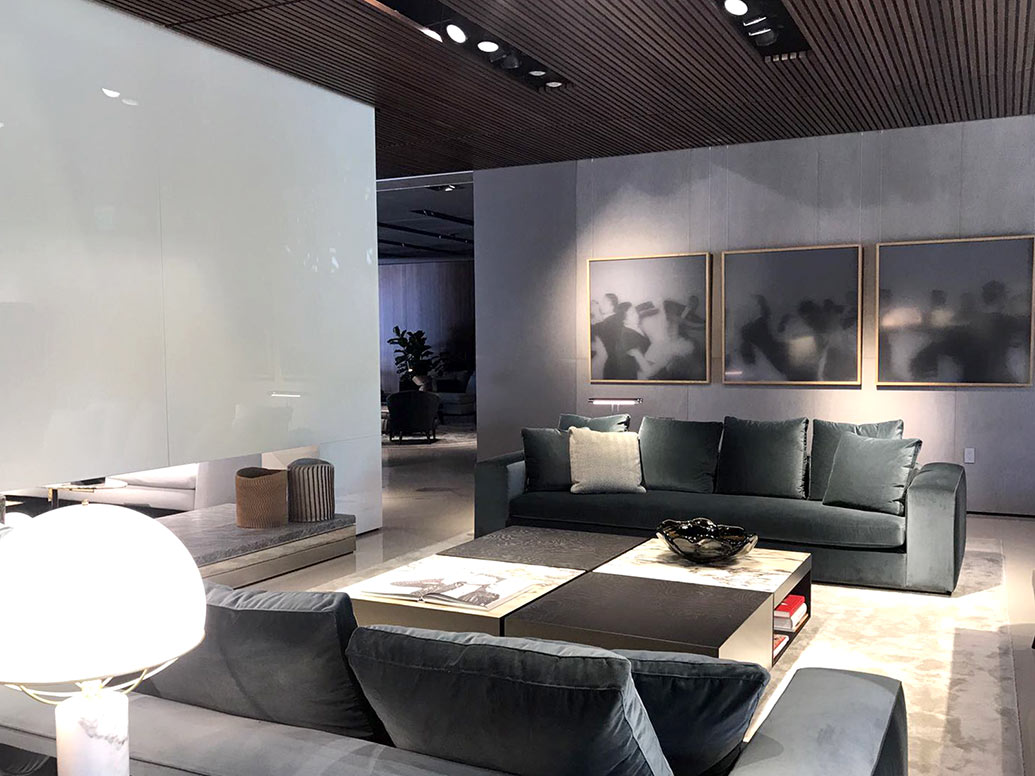
Homeowners looking for contemporary pieces can explore a modern furniture store in Dallas to see how different furniture styles, materials, and room configurations can work together. Visiting a showroom can also make it easier to evaluate the actual scale, construction, upholstery, and comfort of larger pieces before purchasing.
Modern Furniture Applications
The living room is one of the most common spaces for modern furniture because it often serves several purposes simultaneously. A combination of a sectional or sofa, occasional tables, accent seating, media storage, and a properly sized rug can establish separate functional zones without requiring walls.
Dining areas benefit from furniture that balances seating capacity and circulation. A rectangular dining table may suit a long room, while a round table can work efficiently in a smaller or more centralized space by eliminating sharp corners.
Bedrooms require a different approach because comfort and storage are primary considerations. A modern bedroom arrangement can combine a platform bed, two nightstands, a dresser, and a wardrobe while maintaining enough open floor area for comfortable movement.
Home offices increasingly require furniture that supports extended periods of work. An adjustable or appropriately sized desk, ergonomic chair, storage cabinet, and task lighting can create a functional workspace without requiring an entire dedicated room.
Entryways can also benefit from modern furniture. A narrow console, storage bench, wall-mounted shelving, or compact cabinet can provide practical storage while establishing the design character of the home immediately inside the entrance.
Outdoor living areas require furniture designed for environmental exposure. Weather-resistant materials, UV-resistant fabrics, powder-coated metals, and properly treated wood can help outdoor furniture withstand heat, moisture, and sunlight more effectively than indoor-only pieces.
Choosing a Modern Furniture Store in Dallas
A furniture retailer should offer more than attractive showroom displays. Product construction, material specifications, dimensions, warranties, delivery services, and return policies can all affect the long-term value of a furniture purchase.
Local availability can also simplify the selection process. A modern furniture store in Dallas may allow homeowners to see furniture at full scale, compare finishes in person, test seating comfort, and discuss room requirements with knowledgeable staff.
Bova Furniture provides furniture options for residential interiors and showcases products across categories such as living room, dining room, bedroom, and office furniture. Its Dallas-area showroom provides an opportunity to evaluate furniture in person rather than relying exclusively on photographs and listed dimensions.
Customization can be valuable when standard furniture dimensions do not fit a particular room. Options involving upholstery, finish, configuration, or sectional arrangement can help homeowners coordinate furniture with existing architectural features and interior design elements.
Delivery and installation services should also be considered before ordering large furniture. A sectional or oversized cabinet may require careful measurement of elevators, stairways, hallways, and door openings, particularly in apartments, condominiums, and multi-story homes.
Price should be evaluated alongside construction quality and expected lifespan. A lower initial price does not necessarily represent better long-term value if a frequently used sofa, dining table, or bed requires replacement after only a few years.
Frequently Asked Questions
What furniture works best in a modern Dallas home?
Sofas, sectionals, dining tables, platform beds, storage cabinets, and streamlined accent chairs are common choices for modern interiors. Room dimensions, household size, traffic patterns, and intended use should determine the appropriate furniture scale.
How do I make a large living room feel more comfortable?
Use appropriately scaled seating, area rugs, occasional tables, lighting, and storage pieces to create defined zones. A large sectional or multiple seating arrangements can organize an expansive room without physically dividing it.
How much space should I leave between furniture?
A circulation path of approximately 30 to 36 inches is commonly used as a practical guideline for frequently traveled areas. The ideal spacing depends on the room layout, furniture dimensions, door locations, and household mobility requirements.
Is modern furniture suitable for families with children?
Yes, modern furniture can work well for families when materials are selected for durability and maintenance. Performance fabrics, durable wood finishes, rounded furniture edges, and washable surfaces can be practical choices for high-use rooms.
What should I measure before buying a sofa?
Measure the room, doorway, hallway, stairway, elevator, and the sofa’s intended location before ordering. Comparing the sofa’s width, depth, and height with those measurements helps prevent delivery and placement problems.
Is modern furniture the same as contemporary furniture?
No, modern furniture generally refers to a design movement associated with the 20th century, while contemporary furniture describes current design trends. Contemporary interiors can incorporate modern furniture alongside Scandinavian, industrial, minimalist, or other styles.
How can I mix modern furniture with existing traditional pieces?
Use repeated elements such as wood tones, upholstery colors, metal finishes, or geometric shapes to connect different furniture styles. One modern sofa or dining table can coexist with traditional pieces when the room maintains a consistent color and proportion strategy.
Should I visit a furniture showroom before buying?
Visiting a showroom can help shoppers evaluate comfort, dimensions, materials, finishes, and construction in person. A physical showroom can be particularly useful for large purchases such as sofas, sectionals, dining sets, and bedroom furniture.