
It usually starts small. The first real storm of the season rolls in off the ocean in December, and a few days later a faint tan ring shows up on the ceiling in the guest room. Someone climbs up, swaps a cracked tile or reseals a flashing, and the stain stops spreading. Then the next winter brings another one in a different room.
That second stain is the moment worth pausing on. One leak is a repair. A pattern of leaks across several seasons is the roof telling you something about its overall condition, and the answer to it is rarely another tube of sealant.
The tricky part is that nobody wants to replace a roof a few years early, and nobody wants to pour money into patches on a roof that is already finished. Getting that call right depends on age, material, how the damage is spread out and a handful of code rules that catch many coastal homeowners by surprise.
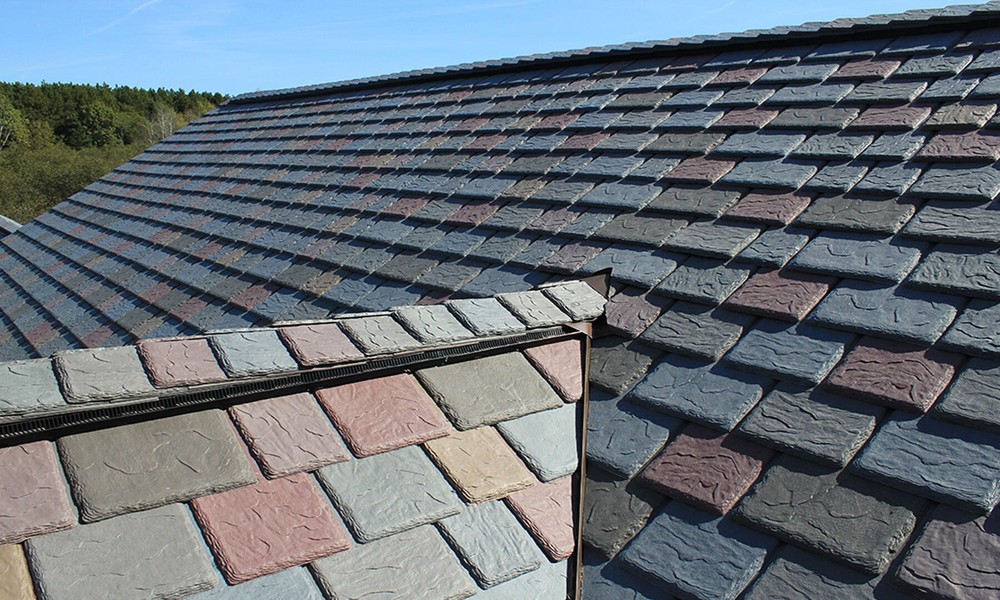
Talking it through with a crew that does both kinds of work helps, since their advice isn’t tied to selling only one of them. jlray.com, a licensed, bonded and insured outfit marking 35 years in South Orange County, handles Laguna Beach residential roofing on both sides of that line, from leak repair on tile, asphalt and slate to full reroofs, ongoing maintenance plans and HOA projects up and down the coast.
Start by Asking How Old the Roof Really Is
Age alone doesn’t decide anything, but it sets the context for every other clue. Rough expectations vary by material, and coastal exposure tends to pull them toward the shorter end.
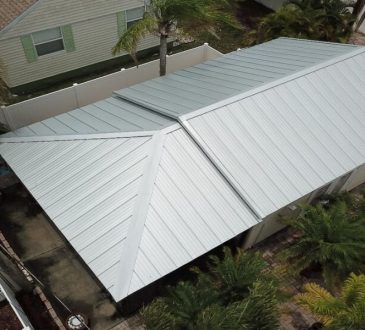
Composition shingles often run somewhere around twenty to twenty five years before granule loss and brittle edges make repairs unreliable. Clay and concrete tile can last far longer, but the underlayment beneath them typically wears out after a few decades, and that hidden layer is what actually keeps water out. Metal roofs often outlast both, provided the fasteners and flashing were chosen for salt air.
If your house changed hands, the disclosure packet or the city permit history will usually show when the last reroof happened. That date is worth finding before anyone gives you a quote.
A Walk Through the House Before Anyone Climbs a Ladder
Much of what a roofer looks for can be checked from inside, and it gives you a better sense of whether trouble is local or widespread. On a dry afternoon, work through the house in this order.
- Open the attic hatch with a flashlight and look at the underside of the roof deck for dark streaks, soft spots or daylight showing through.
- Check around every pipe, vent and chimney where it passes through the deck, since those joints are where water often enters first.
- Walk each room and note ceiling stains, peeling paint near the top of walls and any musty smell in closets on exterior walls.
- Step outside and scan the gutters for shingle granules or broken tile chips.
- Take photos of everything with dates so you can compare after the next storm.
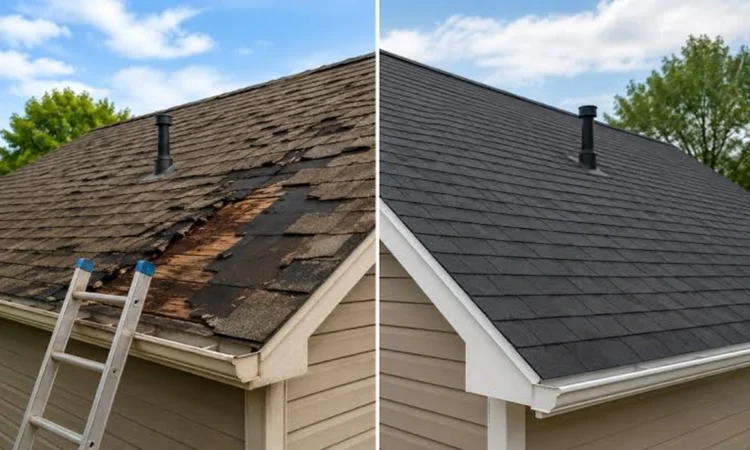
A single wet spot near one vent points toward a repair. Staining spread across different rooms, damp sheathing in several places or crumbling underlayment visible at the eaves points toward the whole system wearing out.
When Small Fixes Start Adding Up
Repeated repairs carry costs that don’t show up on any one invoice. Every visit to a tile roof means walking on it, and tiles crack underfoot no matter how careful the crew is. Older tile and shingle colors are often discontinued, so patches end up as visible blotches that bother buyers later.
There is also a regulatory catch. Under the state’s wildland urban interface rules, when 50 percent or more of an existing roof’s covering is replaced within a 12 month period, the entire roof covering must be brought up to the standard required for new construction. A common mistake is believing a small patch or isolated repair is always exempt, when multiple repairs that cumulatively replace 50% or more within 12 months will trigger the new construction requirement. A homeowner who fixes the south slope in spring and the west slope in autumn may find they’ve accidentally crossed into full replacement territory anyway.
Fire Rules Shape the Decision on These Hills
Much of the city sits within designated fire hazard zones, and that changes what is allowed overhead. The code requires roof assemblies in wildland urban interface and fire hazard severity zones to meet a Class A fire classification. Older roofs installed under earlier standards may not meet that bar, which is one more reason a partial patch on an aging roof can be a false economy.
Layering is another limit. Some homeowners hope to save money by putting new shingles over old ones. Building departments around Southern California restrict this, and some state plainly that new roof covering shall not be applied over existing wood shake roofs. Tile roofs aren’t candidates for an overlay at all, since the weight and profile make it impractical.
The Case for Hanging On a While Longer
None of this means replacement is always the answer. A repair is often the smarter choice when
- the roof is still well within its expected life for its material,
- the damage traces back to one clear cause, like a wind lifted tile, a cracked boot around a vent or a single failed valley,
- the attic deck is dry and solid away from the leak, or
- a sale or major remodel is planned soon, and the new owner or the new design will drive the roof choice anyway.
In those cases a thorough repair and a maintenance plan can buy years of reliable service at a fraction of the cost.
Turning a Replacement Into an Upgrade
When the roof truly is at the end of its run, the replacement becomes an opportunity rather than just an expense. With the old covering off, every layer from the deck up can be improved at once. Researchers at the Insurance Institute for Business and Home Safety put it bluntly, noting that roof related damage accounts for an estimated 70 to 90 percent of total insured residential catastrophic losses, and their research on stronger roof systems explains why reroofing is the cheapest time to add sturdier attachment, better sealing and improved edge details.
On a coastal hillside home, that might mean stainless fasteners, upgraded flashing at every wall, ember resistant vents, fresh bird stops on tile and a Class A assembly from top to bottom. It is also the natural moment to plan for solar mounting if panels are anywhere on the horizon.
Timing matters as well. Late spring through early fall gives the most reliable dry weather, and starting the conversation before the summer rush leaves room for permits and any HOA review. The worst time to make this decision is during a January storm with buckets on the floor, when urgency pushes people toward whatever fix is fastest rather than whatever is right.
The roof that has been patched three winters in a row has usually already answered the question. Listening to it a season early is almost always cheaper than listening a season late.