
Maintaining a property’s plumbing system is key to avoiding costly repairs and ensuring everything runs smoothly. Preventative plumbing is all about taking proactive steps to protect your pipes, fixtures, and water supply. With simple habits and timely inspections, property owners can minimize emergencies and extend the life of their plumbing systems.
Regular Inspections and Maintenance
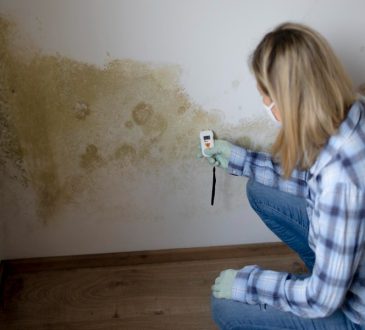
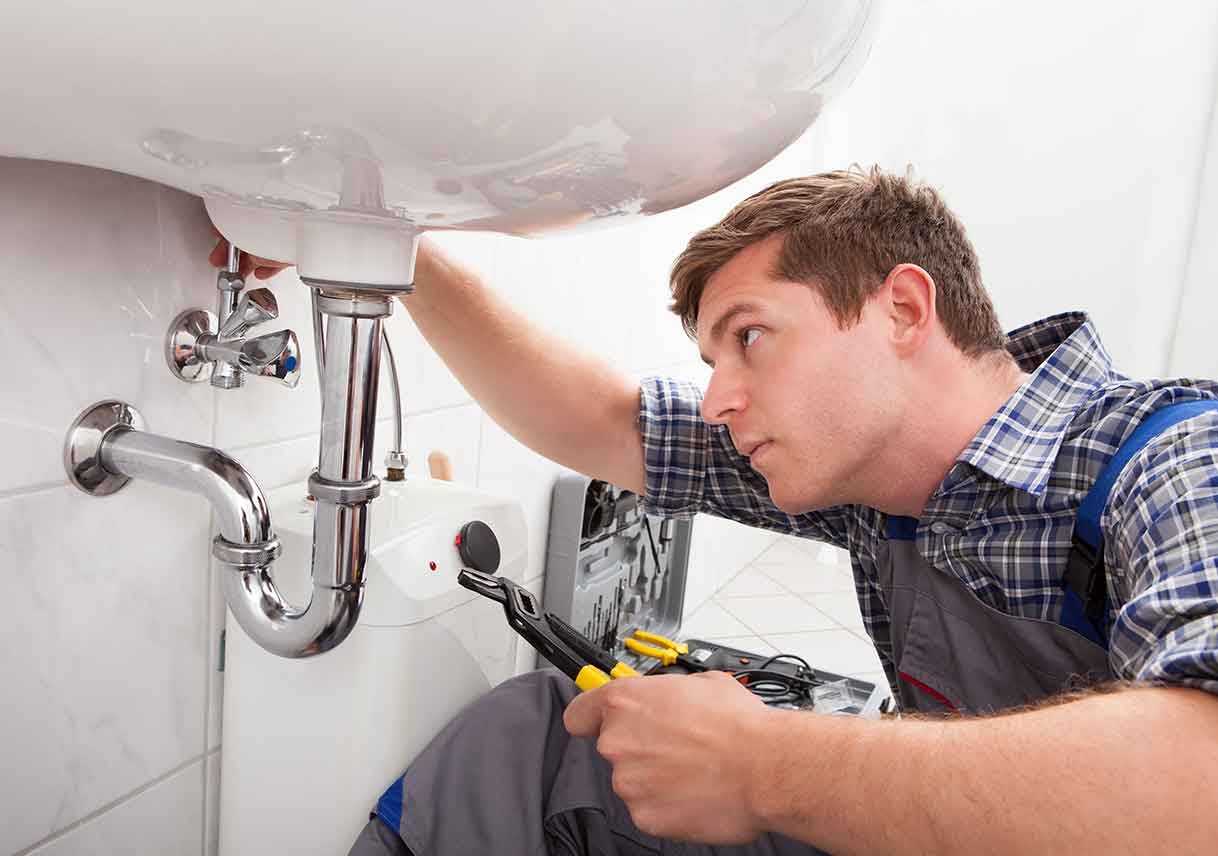
One of the most effective ways to prevent plumbing issues is through routine inspections. Checking for leaks, corrosion, and unusual water pressure can catch small problems before they become major repairs. Property owners should inspect faucets, pipes, and water heaters periodically. Additionally, scheduling professional maintenance ensures that any hidden issues, like pipe blockages or wear and tear in hard-to-reach areas, are addressed promptly.
Proper Use and Care of Drains
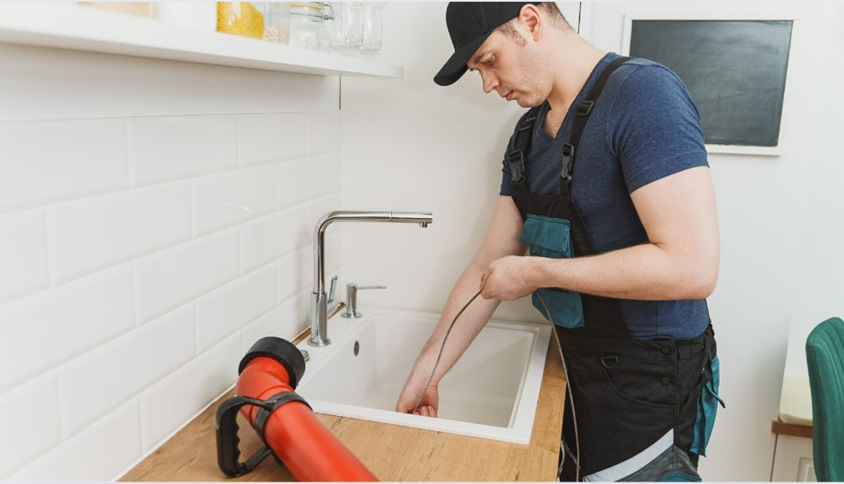
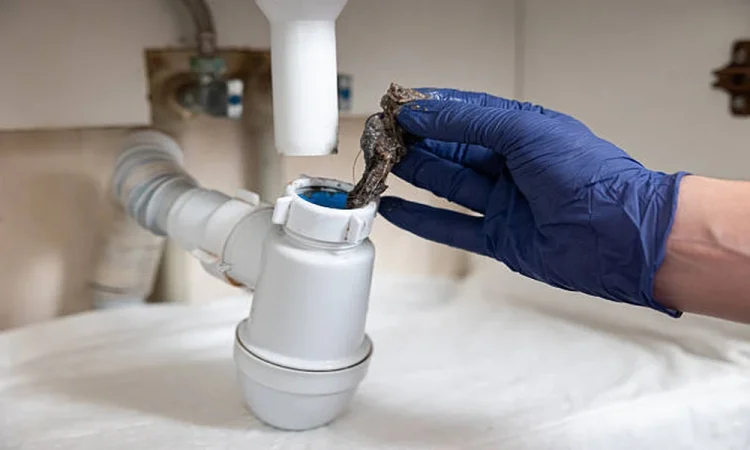
Clogged drains are among the most common plumbing problems. Preventing them starts with mindful usage. Avoid pouring grease, coffee grounds, or fibrous foods down the kitchen sink. In bathrooms, hair and soap buildup can cause slow drains, so using strainers and cleaning them regularly helps. Educating everyone in the household or tenants about what should and shouldn’t go down the drains reduces the likelihood of blockages and expensive drain cleaning.
Water Pressure and Temperature Management
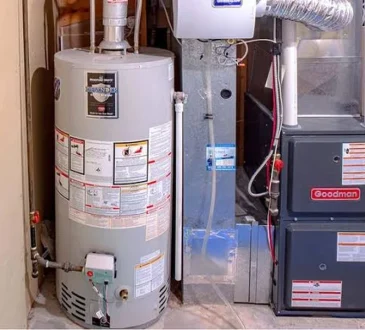
High water pressure can strain pipes and fixtures, leading to leaks or burst pipes over time. Installing a pressure regulator can protect the plumbing system from unnecessary stress. Additionally, monitoring water heater settings is important. Excessively hot water can damage pipes and increase energy costs, while maintaining an optimal temperature reduces the risk of scalding and prolongs the life of plumbing components.
Seasonal and Environmental Considerations
Weather changes can affect plumbing systems, especially in areas with freezing temperatures. Property owners should insulate exposed pipes during colder months and check for cracks or weaknesses. Outdoor faucets and irrigation systems also require winterizing to prevent damage. Similarly, in areas prone to heavy rainfall, ensuring proper drainage around the property can prevent water from seeping into pipes or foundations, which could lead to leaks or structural issues.
Knowing When to Call a Professional
Even with preventative measures, some issues require professional expertise. Recognizing warning signs, such as persistent leaks, unusual noises, or foul odors, can save property owners from more serious problems. Consulting a licensed plumber ensures proper diagnosis and safe repair, keeping the plumbing system reliable and efficient.
Conclusion
Preventative plumbing is about consistent care, awareness, and timely intervention. By inspecting systems regularly, managing drains and water pressure, considering seasonal factors, and calling professionals when needed, property owners can avoid emergencies and save on costly repairs. These habits protect the home and create a safe, functional environment for everyone who lives or works there.
This post was written by a professional at Drain Help. DrainHelp is a locally owned and operated plumbing and drain service serving all of San Diego County, available 24 hours a day, seven days a week. Our team of licensed plumbers provides comprehensive services including drain cleaning, sewer line repair, hydro-jetting, video inspections, garbage disposal installations, toilet services, complete re-piping, and gas line maintenance for both residential and commercial clients. We pride ourselves on delivering quick, friendly service with free estimates and zero extra fees for emergency or after-hours calls. Call today for trustworthy emergency plumbing in La Mesa.