
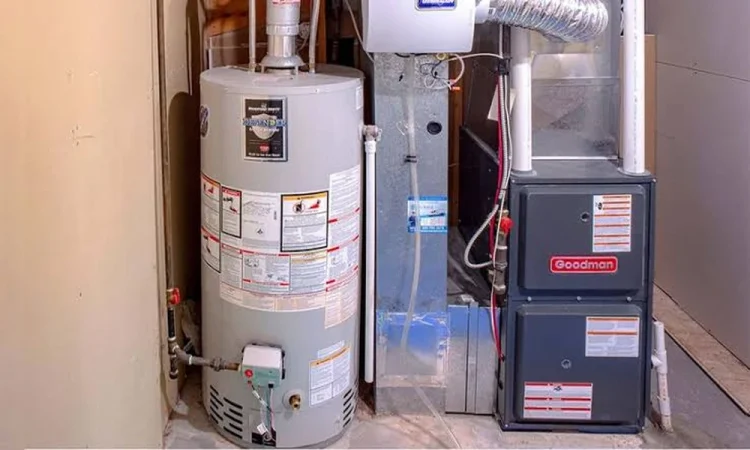
A water heater can contain heated water and still deliver a lukewarm shower. In a storage tank, hot and cold water occupy different temperature layers, and a failing heating component, damaged dip tube, or mixing valve can disturb the expected supply. The symptom provides a starting point, but it does not establish which part has failed.
Golden Valley water heater repair becomes particularly relevant during Minnesota’s colder months, when incoming municipal water is cooler and the heater must work harder to reach the desired temperature. The Twin Cities’ mix of established and newer homes also means that tank conditions, venting arrangements, and plumbing connections vary considerably between properties.
For Water Heater Installation and Repair, Mark’s Plumbing Service & Repair serves Golden Valley and surrounding Twin Cities communities. Its services also include Water Softener Installations, which may help address mineral buildup associated with hard water. Homeowners seeking Golden Valley water heater repair can visit the website to request water heater service.
No Hot Water Indicates a Heating or Control Problem
Symptom: Every hot water fixture delivers cold water, even after the heater has had time to recover.
Likely cause: An electric water heater may have a tripped breaker, failed heating element, or malfunctioning thermostat. A gas model may have a pilot, ignition, gas control, or venting problem. Whole house plumbing or mixing valve issues can sometimes create similar symptoms.
Fix path: Confirm whether the problem affects every fixture. Check for a clearly tripped electrical breaker without repeatedly resetting it. Have a qualified plumber assess heating components, controls, and the appliance’s safety systems.
Repair or replacement: Individual electrical components or approved controls may be repairable. Multiple failures combined with substantial corrosion or tank deterioration warrant a broader replacement discussion. Gas controls, combustion components, and venting must be evaluated by qualified professionals.
Lukewarm Water Suggests Incomplete Heating or Mixing
Symptom: Water becomes moderately warm but never reaches a comfortable temperature.
Likely cause: An electric heater with a failed element may heat only part of its stored water. Incorrect controls, a malfunctioning mixing valve, or an issue with temperature regulation may also contribute.
Fix path: Compare temperatures at several hot water fixtures. Determine whether the problem began suddenly or developed gradually. Ask a plumber to evaluate thermostats, heating elements, mixing devices, and operating conditions.
Scald prevention: The U.S. Consumer Product Safety Commission recommends 120°F as a protective setting for many residential situations. A qualified plumber should determine appropriate storage and delivered water temperatures while considering sanitation requirements and scald protection.
Repair or replacement: A defective heating element or control may justify a targeted repair. More extensive deterioration can change that recommendation.
Hot Water Running Out Quickly Can Reflect Capacity Loss
Symptom: A shower begins hot but cools sooner than expected, particularly when several fixtures are used.
Likely cause: Cold Minnesota incoming water increases the temperature rise required. A malfunctioning dip tube, sediment accumulation, or ineffective heating component may also reduce usable hot water.
Fix path: Compare performance during single fixture and simultaneous use. Review whether household demand has changed. Have the heater assessed for heating performance, dip tube condition, and sediment accumulation.
Repair or replacement: Correcting a component defect may restore normal performance. If the equipment is functioning as designed but cannot meet household demand, replacement with an appropriately sized system may be more practical.
Popping and Rumbling Sounds Often Point to Sediment
Symptom: The tank makes popping, crackling, or rumbling sounds during heating cycles.
Likely cause: Minerals carried in the water supply can settle inside a storage tank. Heating beneath accumulated sediment may produce localized boiling and unusual noises.
Fix path: Note whether sounds occur only during heating. Check for declining hot water delivery or visible leakage. Request professional evaluation of sediment accumulation and the heater’s condition.
Repair or replacement: Sediment management may be appropriate when the tank remains sound. Severe internal deterioration, corrosion, or repeated failures may make further maintenance less beneficial.
Hard water consideration: Water softening can reduce certain mineral deposits, but it does not reverse existing tank corrosion. Treatment choices should reflect measured water conditions and manufacturer requirements.
Water Around the Tank Needs Immediate Investigation
Symptom: Moisture, puddles, or rusty water appear around the heater’s base.
Likely cause: Water may originate from a loose connection, leaking fitting, condensation, discharge piping, or deterioration of the tank itself.
Fix path: Identify whether water is actively spreading without touching electrical components. Have accessible supply valves and connections inspected. Request prompt assessment if water appears to originate from the tank body.
Repair or replacement: A leaking external fitting may be repairable. Leakage through a corroded storage tank generally indicates replacement is necessary. Do not assume every puddle means tank failure or dismiss repeated accumulation as harmless condensation.
Discolored Hot Water Can Reveal Corrosion
Symptom: Hot water appears rusty, brown, or unusually cloudy.
Likely cause: Internal tank corrosion, deteriorated piping, disturbed sediment, or changes in the water supply may contribute to discoloration.
Fix path: Compare hot and cold water at several fixtures. Check whether discoloration appears only after the heater has been idle. Have a plumber assess tank condition, corrosion protection, and nearby piping.
Repair or replacement: A localized piping issue may be corrected without replacing the heater. Persistent corrosion originating inside the tank raises concerns about remaining serviceability. Some sediment and odor problems require water quality investigation.
Pilot Failures and Relief Valve Discharge Require Safety Checks
Pilot or ignition failure: A gas water heater may stop heating when its ignition or flame sensing system malfunctions. Causes include ignition controls, flame sensing components, gas supply, or combustion conditions.
Relief valve discharge: Water escaping through the temperature and pressure relief discharge pipe may indicate excessive pressure, thermal expansion, temperature problems, or a defective valve.
Fix path: Stop repeated ignition attempts if the heater fails to operate normally. Keep the relief valve discharge path unobstructed. Arrange evaluation of gas controls, venting, pressure conditions, and safety devices.
Safety guidance: The Minnesota Department of Health discusses the balance between controlling waterborne bacteria and preventing scald injuries, including thermostatic mixing valves when higher storage temperatures are necessary.
Repair or replacement: An isolated defective control or relief valve may be replaceable after the underlying cause is determined. Repeated safety failures or serious tank deterioration may justify replacement. Never cap a relief discharge pipe, bypass a safety device, or attempt unauthorized gas repairs.
Conclusion
Water heater symptoms become easier to interpret when temperature problems, unusual sounds, leakage, and safety concerns are examined separately. No hot water may indicate a failed component, while reduced capacity can involve sediment, cold incoming water, or changing household demand.
In Golden Valley, seasonal water temperatures and the condition of existing plumbing can influence both performance and repair decisions. A professional evaluation should establish whether an isolated component can be repaired safely or whether deterioration of the tank and its safety systems makes replacement the more sensible option.