Mahindra Mahalunge Project: A Look at Thoughtful Planning, Green Living and Modern Amenities

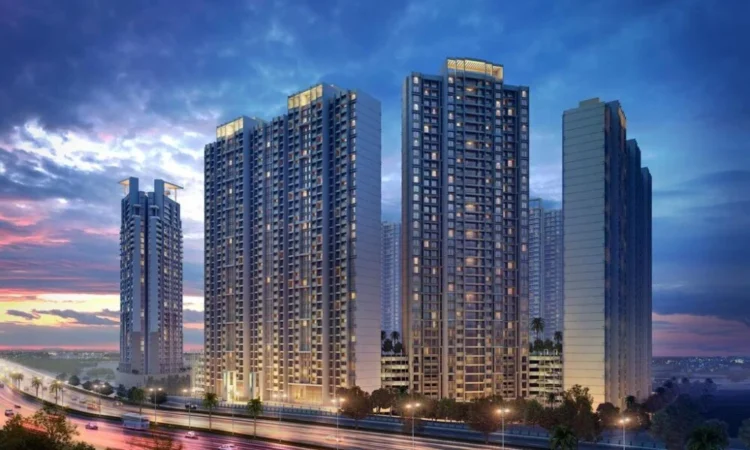
Two towers can rise on plots of the same size, a few hundred metres apart, and still feel like different worlds once families move in. In one, the living room stays cool through an April afternoon and the children’s play area sits in shade by four o’clock. In the other, the same rooms need air conditioning from mid-morning and the play area bakes until sunset. The difference comes from decisions taken on a site plan years before anyone collects a key, and the new apartments in Mahalunge have brought that planning question to many west Pune buyers.
Mahalunge is one of the newer residential pockets of Pune, with open land along the Mula river, the Balewadi sports complex close by and the Hinjewadi IT belt to the west. Because so much of it is being built now, apartments in Mahalunge reflect current thinking about orientation, greenery and shared spaces. Knowing what good planning looks like helps a buyer read any master plan with a sharper eye.
Where the Site Plan Begins
Every large residential project starts with an empty parcel and a few fixed facts: the path of the sun, the direction of the monsoon winds, the slope of the land and the roads touching the boundary. Planners decide where towers stand, where the open greens go and how cars enter without crossing play areas. Anyone studying the master plan for apartments in Mahalunge, or for any gated community, will find these are the first decisions worth reading.
Spacing between towers matters more than most people expect. Wider gaps let daylight reach the lower floors and stop neighbours from looking straight into each other’s bedrooms. A central green ringed by towers gives every home a view of trees and keeps internal roads at the edges. A late-afternoon walk around the site shows how shadows and breezes actually move, something a drawing of apartments in Mahalunge can never fully capture.
Letting Air and Light Do the Work
Pune’s climate is kinder than that of many Indian cities, yet summer afternoons still get hot and the monsoon brings long humid spells. Homes where windows face each other across a room let a breeze flush out warm air before anyone reaches for the fan switch. Deep balconies and shaded openings cut glare while keeping rooms bright. Buyers touring new apartments in Mahalunge often ask which way the living room faces before they ask about the flooring.
Natural light changes how a home feels through the day. A kitchen that gets morning sun dries quickly after the monsoon mopping, and a study facing north receives steady, soft light for reading. Over years, these small comforts lower electricity use, which is why climate-responsive design now turns up in ordinary conversations among families comparing apartments in Mahalunge.
Green Labels and What They Measure
Independent certification helps cut through loose talk about green homes. The Indian Green Building Council, set up by the Confederation of Indian Industry, has rating systems for homes that look at site layout, water and energy savings, materials and indoor air and light. A rated project has been measured against those criteria, so anyone shortlisting apartments in Mahalunge can ask which ratings have been applied for or awarded.
Net zero ideas are spreading as well. A net zero energy building aims to generate as much renewable energy as it consumes over a year, while net zero water and waste approaches aim to reuse or recycle what a building uses and throws away. Such goals now appear in the stated targets of Indian developers, and buyers of apartments in Mahalunge increasingly hear about them during site visits.
Water, Waste and the Monsoon Months
Pune relies heavily on its dams for drinking water, and newer housing societies try to ease that load. Rainwater harvesting pits recharge groundwater during the monsoon, sewage treatment plants clean wastewater for flushing and gardening, and low-flow taps trim daily use without anyone noticing. A visit to apartments in Mahalunge is a good moment to ask which of these systems are planned and how the society will run them after handover.
Waste follows a similar logic. Separating wet and dry waste at the door, then composting kitchen scraps on site, turns a daily chore into manure for the gardens. Societies that start these habits in the first month usually keep them. For future residents of apartments in Mahalunge, the habit can begin with a simple two-bin set-up in every kitchen.
Amenities That Earn Daily Footfall
A long amenity list looks impressive, yet daily life tends to revolve around a handful. Walking tracks fill with older residents each morning, the pool gets busy through the summer holidays, and indoor courts matter in a city where the monsoon can wash out outdoor games for weeks. On a tour of apartments in Mahalunge, walking from a tower lobby to the clubhouse reveals whether these spaces sit where people already pass. Larger parcels also let planners keep quiet green zones away from active sports areas, so a toddler’s sandpit and a cricket net never share a corner.
Greenery That Shapes the Daily Routine
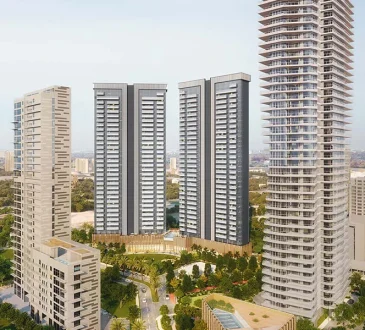
Keeping lawns and play areas apart works best when there is plenty of open ground to begin with, and that is where Mahindra Rivenza starts. This Mahindra Mahalunge project sits on about 13.5 acres on the Baner Annex side, with more than 9 acres given to landscaped greens. Those lawns and tree-lined walks cool the air between towers and give children a safe place to roam well away from traffic.
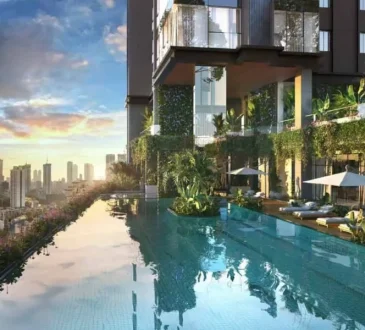
Shared facilities follow the same thinking. The Mahindra Mahalunge project sets aside over 265,000 sq ft for amenities, led by a clubhouse of more than 44,000 sq ft with a swimming pool, a gym, sports courts and recreation areas. Homes come as 2, 3 and 4 BHK apartments, so a young couple, a family with teenagers and a three-generation household can share one green setting at Mahindra Mahalunge in Pune. Planning for that range of households is central to the Mahindra Lifespaces Mahalunge community.
The green thinking also reflects the developer’s wider record. Mahindra Lifespaces has kept its residential portfolio green since 2014 and has committed to delivering only Net Zero homes from 2030. With Mahindra Rivenza, registered under MahaRERA in phases and planned as 12 towers, Mahindra Lifespaces in Mahalunge brings that record to a fresh corner of west Pune. The phased approach gives Mahindra Mahalunge in Pune a clear link between planning, greenery and everyday amenities.