
Most homeowners rarely think about their sewer lines until something goes wrong. Hidden beneath the ground, these pipes quietly carry wastewater away from sinks, showers, toilets, and other plumbing fixtures. When everything works properly, there is little reason to notice them. But when a sewer line begins to deteriorate, the warning signs can appear in unexpected places throughout the home.
A bathroom sink that drains more slowly than usual, a toilet that occasionally gurgles, or an unusual patch of green grass in the yard might seem like unrelated issues. In some cases, however, these seemingly minor changes can point to a developing problem in the underground sewer system.
Recognizing these signs early can make a meaningful difference. Sewer line damage does not always result in an immediate backup or visible leak. Some problems develop gradually as pipes age, tree roots enter small openings, or underground conditions shift.
Understanding what to watch for, how sewer line problems develop, and when sewer line repair may be necessary can help homeowners make informed decisions about maintaining their plumbing systems.
Why Sewer Line Problems Often Go Unnoticed
Unlike exposed plumbing beneath a sink, sewer lines are generally buried underground or concealed within a property’s structure. This makes their condition difficult to evaluate without specialized equipment.
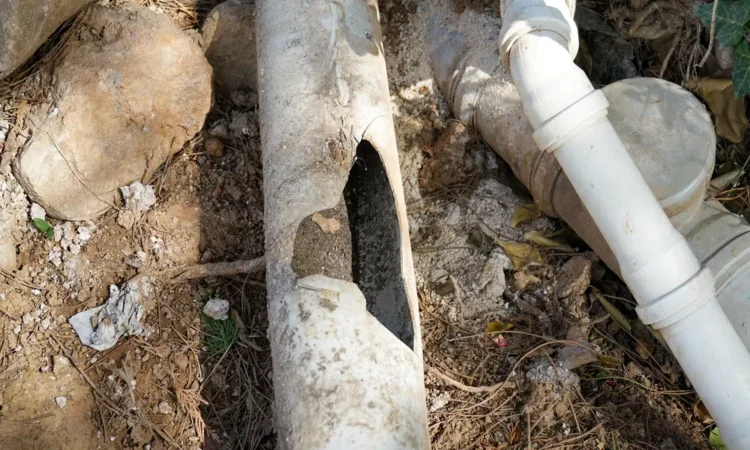
A sewer line can develop cracks, joint separations, corrosion, or partial blockages long before a homeowner experiences a major plumbing failure.
One reason these problems go unnoticed is that wastewater may continue flowing through a damaged pipe. A small crack or root intrusion does not necessarily stop drainage immediately. Instead, the pipe may gradually lose capacity as debris accumulates around the damaged area.
The warning signs can also resemble ordinary household plumbing problems.
For example, a slow-draining bathtub may be caused by hair and soap buildup near the drain opening. However, when several plumbing fixtures begin draining slowly around the same time, the issue may involve a shared drain or the main sewer line.
Understanding this distinction is important because treating a symptom does not always resolve the underlying problem.
Plumbing professionals often note that the location, frequency, and combination of drainage symptoms can provide valuable clues about the condition of a home’s sewer system.
Rather than evaluating each plumbing issue separately, homeowners can benefit from observing patterns throughout the property.
1. Recurring Drain Backups That Keep Returning
An occasional clogged drain is a common household inconvenience. Kitchen sinks collect grease and food residue, bathroom drains accumulate hair and soap, and toilets can become blocked by materials that should not enter the plumbing system.
However, recurring backups deserve closer attention, particularly when they affect multiple fixtures.
When a Simple Clog May Indicate a Larger Problem
A localized blockage usually affects one fixture. For example, a bathroom sink may drain slowly while the nearby shower and toilet continue functioning normally.
A sewer line problem can produce a different pattern.
Homeowners may notice that:
- A toilet backs up repeatedly despite previous attempts to clear it.
- Water rises in a shower drain when another fixture is used.
- Several drains become sluggish around the same time.
- A lower-level floor drain experiences wastewater backups.
- Drainage temporarily improves after cleaning but the problem returns.
These symptoms may indicate an obstruction or restriction in a shared drainage pipe or the main sewer line.
The distinction matters because removing accumulated debris may temporarily restore flow without addressing the condition that caused the blockage.
For example, tree roots entering through a damaged pipe joint can trap toilet paper and other wastewater debris. Clearing the obstruction may improve drainage, but the roots can continue growing if the underlying pipe defect remains.
Why Repeated Blockages Should Not Be Ignored
Recurring backups can place additional stress on household routines and create unsanitary conditions when wastewater enters living spaces.
They may also indicate structural pipe problems such as a collapsed section, an offset joint, or a damaged pipe wall.
Not every recurring clog requires sewer line repair. Some can be resolved through appropriate drain cleaning or changes in household disposal habits.
However, when blockages repeatedly develop in the same section of plumbing, evaluating the pipe itself becomes increasingly important.
2. Unpleasant Sewer Odors Inside or Outside the Home
A properly functioning plumbing system is designed to transport wastewater while preventing sewer gases from entering occupied spaces.
Drain traps hold water that creates a barrier against gases traveling back through the plumbing system. Vent pipes help maintain appropriate air pressure and allow sewer gases to escape above the building.
When unpleasant odors appear, something within this system may not be functioning as intended.
Sewer Smells Near Drains and Plumbing Fixtures
A sewer-like odor near a sink, shower, or floor drain does not automatically mean the underground sewer line is damaged.
Common explanations include a dry drain trap, accumulated organic material, a faulty toilet seal, or a plumbing vent problem.
For example, a guest bathroom that has not been used for several weeks may develop an odor because water in the drain trap has evaporated.
Restoring water to the trap may resolve that issue.
However, odors that persist despite normal fixture use, particularly when accompanied by slow drainage or recurring backups, may suggest a deeper drainage problem.
Sewer Odors in the Yard
An unexplained sewage odor outside the home can be another warning sign.
A cracked or separated underground sewer pipe may allow wastewater to escape into surrounding soil. Depending on the location and severity of the damage, unpleasant odors may become noticeable near the affected area.
Outdoor odors can also originate from other sources, including septic systems, municipal sewer infrastructure, or surface drainage issues.
The important consideration is whether the odor is persistent, localized, or associated with other changes around the property.
When sewer odors occur alongside unusual soil moisture or repeated drainage problems, the possibility of an underground pipe defect becomes more significant.
3. Unusually Green or Fast-Growing Patches of Grass
A healthy lawn is generally a welcome sight. However, a small area of grass that suddenly becomes noticeably greener or grows faster than surrounding vegetation may deserve investigation.
Underground wastewater leaks can sometimes change the moisture and nutrient conditions in nearby soil.
How a Damaged Sewer Line Can Affect Vegetation
Wastewater contains organic matter and nutrients that may influence plant growth. If a damaged sewer line releases wastewater into the surrounding ground, nearby grass or other vegetation may respond to those changes.
The result can be an isolated patch of unusually vigorous growth, particularly when the affected area lies above or near the sewer line’s path.
However, lawn appearance alone is not a reliable way to diagnose sewer line damage.
Differences in irrigation coverage, shade, soil composition, fertilizer application, and drainage can produce similar patterns.
A greener patch becomes more concerning when it appears alongside other warning signs, such as persistent dampness, unusual odors, or recurring indoor drainage problems.
Why Surface Conditions May Not Reveal the Full Problem
Underground leaks do not always produce visible puddles.
Soil composition, pipe depth, groundwater conditions, and the amount of escaping wastewater all influence whether moisture reaches the surface.
Sandy or well-draining soil may allow wastewater to disperse without obvious pooling. In other conditions, water may accumulate beneath the surface before any visible change develops.
This is why the absence of standing water does not necessarily rule out an underground sewer leak.
4. Gurgling Sounds From Toilets and Drains
Plumbing systems naturally produce some noise as water moves through pipes. However, repeated bubbling or gurgling sounds can indicate that air is not moving through the drainage system as expected.
These noises are particularly worth investigating when they occur in one fixture while another fixture is being used.
What Causes Drain Gurgling?
Wastewater flows through drainpipes with the assistance of gravity, while plumbing vents help maintain appropriate air pressure.
When a blockage restricts flow, air may become displaced or trapped within the drainage system.
This can cause bubbling or gurgling sounds as air moves through water-filled traps or fixtures.
For example, a homeowner might notice a toilet bubbling when the bathtub drains or hear a nearby sink gurgle during a washing machine discharge.
These symptoms may indicate a partial obstruction in a shared drain or sewer line.
However, improper venting can produce similar sounds, so gurgling alone does not confirm sewer pipe damage.
When Gurgling Becomes More Concerning
An isolated sound may not indicate a serious problem, but repeated noises combined with slow drainage, backups, or odors suggest that the drainage system deserves closer evaluation.
A developing obstruction can allow wastewater to pass under normal conditions while struggling to accommodate larger volumes.
This explains why symptoms may become more noticeable during activities that release substantial amounts of water, such as draining a bathtub or running a washing machine.
Recognizing these patterns can help distinguish occasional plumbing noise from a potentially developing sewer line issue.
5. Slow Drainage Throughout Multiple Areas of the House
Slow drainage is among the most common plumbing complaints, but the number and location of affected fixtures can reveal important information.
A single slow-draining sink often points toward a localized problem.
When several fixtures begin draining slowly, the concern may extend beyond individual drain openings.
The Difference Between Branch Drains and Main Sewer Lines
A home’s drainage system contains smaller branch pipes that connect individual fixtures to larger drainage pipes.
These pipes eventually carry wastewater toward the property’s main sewer connection or septic system.
A blockage in a branch drain may affect only the fixtures connected to that section.
A restriction in the main sewer line, however, can interfere with wastewater flow from multiple areas of the home.
For instance, a homeowner may initially notice that a downstairs shower drains slowly. A few days later, the nearby toilet begins flushing poorly, and a floor drain starts producing unusual sounds.
Although each symptom appears at a different fixture, the underlying issue may involve a shared drainage path.
Why Drainage Problems Can Develop Gradually
A sewer pipe does not have to become completely blocked before symptoms appear.
Partial obstructions reduce the space available for wastewater to flow. As debris accumulates, drainage performance may gradually decline.
The problem may be more noticeable during periods of heavy water use, when multiple fixtures discharge wastewater within a short time.
This gradual progression is one reason sewer line damage can remain undetected for an extended period.
6. Persistent Wet Spots or Unexplained Soil Changes
Changes in the ground surrounding a home can sometimes reveal problems that are not immediately visible indoors.
Persistent wet spots, soft soil, or unexplained changes in ground conditions may indicate that water is escaping from an underground pipe.
Signs That Deserve Attention
Potential warning signs include consistently damp soil despite dry weather, isolated muddy areas, unusual ground softness, or small depressions developing over time.
These conditions can have several explanations.
Irrigation leaks, poor surface drainage, groundwater movement, and damaged water supply lines can all affect soil moisture.
However, when these changes occur near the sewer line’s route and coincide with wastewater odors or indoor drainage problems, a sewer leak becomes a possibility.
How Underground Leaks Can Affect Surrounding Soil
Escaping wastewater may gradually saturate nearby soil or carry fine soil particles into openings in a damaged pipe.
Over time, this movement can contribute to localized voids or changes in ground stability.
Severe underground erosion can create hazards, but not every wet spot or soil depression indicates that such damage is occurring.
The key is recognizing unusual changes rather than assuming that every landscape irregularity is a sewer problem.
7. Wastewater Appearing in Lower-Level Fixtures
One of the more concerning signs of a sewer line obstruction is wastewater appearing in a fixture that is not currently being used.
For example, water may rise in a basement floor drain or a lower-level shower when someone flushes a toilet elsewhere in the house.
This can happen because wastewater encounters a restriction farther downstream and begins backing up through an available opening.
Why Lower Fixtures Are Often Affected First
Gravity influences how wastewater moves through a plumbing system.
When the main drainage path becomes obstructed, wastewater may accumulate upstream of the blockage.
Lower-level fixtures are often among the first places where accumulated wastewater becomes visible.
This does not mean every lower-level backup is caused by a damaged private sewer pipe. Municipal sewer surcharging, heavy rainfall, and other drainage conditions may also contribute.
Nevertheless, wastewater backing into occupied spaces is more than a routine inconvenience.
It creates potential exposure to contaminants and can damage flooring, walls, and household belongings.
Avoiding additional water use while the cause is being evaluated can help limit further wastewater discharge into the affected area.
What Actually Causes Sewer Lines to Become Damaged?
Recognizing warning signs is only part of understanding sewer line problems. The underlying cause determines whether cleaning, targeted repair, or more extensive pipe work may be appropriate.
Several factors can contribute to sewer line deterioration.
Aging Pipe Materials
Older homes may contain sewer pipes made from cast iron, clay, concrete, or other materials that can deteriorate over time.
Cast iron pipes may experience corrosion and internal scaling, while clay pipes can develop cracks or separated joints.
Age alone does not establish whether a sewer line needs replacement. Pipe material, installation quality, soil conditions, maintenance history, and current structural condition all matter.
Tree Root Intrusion
Tree roots naturally seek moisture and nutrients in the soil.
When a sewer pipe develops a small crack or an opening at a joint, roots may grow into the pipe.
As they expand, they can trap debris, restrict wastewater flow, and potentially worsen existing damage.
Root removal may restore drainage, but recurring intrusion often requires attention to the opening that allows roots to enter.
Ground Movement and Soil Settlement
Underground pipes can be affected by soil movement, erosion, construction activity, and changing ground conditions.
Movement may cause pipe joints to shift or sections of piping to lose their intended alignment.
A displaced joint can create an obstruction point where debris collects, while more significant movement may contribute to cracking or separation.
Grease, Debris, and Improper Disposal
Not every sewer line problem begins with structural damage.
Grease, wipes, excessive paper products, and other unsuitable materials can accumulate within drainage pipes.
Over time, these materials may contribute to recurring blockages.
Even products marketed as flushable may not break apart quickly enough to avoid problems in certain plumbing systems.
A pipe with an existing defect can be especially vulnerable because rough surfaces, offsets, and root intrusions provide places for debris to collect.
How Plumbers Determine Whether Sewer Line Repair Is Necessary
Visible symptoms can suggest that a sewer line problem exists, but they rarely reveal the precise condition of an underground pipe.
A reliable diagnosis involves identifying where the problem occurs and determining whether it results from an obstruction, a structural defect, or another drainage issue.
Sewer Camera Inspections
One of the most useful developments in modern sewer diagnostics is the use of specialized inspection cameras.
A sewer camera can travel through accessible drainage piping and provide a view of internal pipe conditions.
Depending on visibility and access, an inspection may reveal:
- Cracks, fractures, or separated pipe joints
- Tree roots entering the pipe
- Heavy buildup or obstructions
- Corrosion and deterioration
- Displaced or misaligned sections
- Areas where water or debris appears to accumulate
Camera inspections can help distinguish between a pipe that primarily needs cleaning and one with damage requiring further repair evaluation.
However, a camera does not always establish the full condition of the surrounding soil or prove the exact cause of a defect. Additional testing or investigation may sometimes be needed.
Locating the Problem Before Repairing It
Modern sewer inspection equipment can sometimes be used with locating devices to identify the approximate position and depth of a problem underground.
This information can help determine whether a defect lies beneath a yard, driveway, landscaped area, or another part of the property.
According to experienced plumbers in Miami, identifying the damaged section before selecting a repair method is important because similar drainage symptoms can result from very different pipe conditions.
A recurring blockage caused by grease buildup requires a different approach from a cracked pipe, root-damaged joint, or collapsed sewer section.
Sewer Line Repair Options Depend on the Type of Damage
Sewer line repair is not a single procedure. Different methods address different pipe conditions, and the appropriate approach depends on the extent and location of the problem.
Clearing Obstructions Without Structural Repair
When the sewer pipe remains structurally sound, removing a blockage may be sufficient to restore normal drainage.
Mechanical drain-cleaning equipment and other appropriate methods can remove certain obstructions.
Hydro jetting may also be suitable for some pipe conditions, although the condition of older or weakened pipes should be evaluated before using high-pressure cleaning equipment.
Cleaning restores flow but does not necessarily correct cracks, joint separations, or other structural defects.
Targeted Sewer Pipe Repairs
When damage is limited to a specific section, localized repair may be possible.
This can involve accessing the affected pipe and replacing the damaged portion while preserving the surrounding sections that remain serviceable.
Targeted repairs may be appropriate for isolated fractures, severely displaced joints, or short sections of deteriorated piping.
The feasibility depends on access, pipe material, surrounding conditions, and the overall integrity of the line.
Trenchless Sewer Repair Methods
Some sewer line problems can be addressed through trenchless techniques that reduce the need for continuous excavation along the pipe’s route.
One example is cured-in-place pipe lining, which creates a new lining inside an existing pipe when conditions are suitable.
Other techniques, such as pipe bursting, replace an existing line by breaking apart the old pipe while pulling a replacement pipe into position.
These methods are not appropriate for every situation.
Severely collapsed sections, certain alignment problems, inadequate access, and other structural conditions may limit their feasibility.
Although trenchless methods can reduce surface disruption, they may still require access pits or excavation.
When Replacement Becomes the Better Option
A sewer line with widespread deterioration, repeated structural failures, or extensive collapse may not be a good candidate for isolated repairs.
In these circumstances, replacing a longer section or the entire affected line may provide a more appropriate long-term solution.
The decision should be based on the actual condition of the pipe rather than the presence of a single symptom.
Why Delaying Sewer Line Problems Can Create Additional Complications
A slow drain or occasional gurgling noise may not seem urgent when the plumbing system continues to function.
However, the consequences of an unresolved sewer line problem depend on its cause and progression.
A small obstruction may remain relatively stable for a period, while root intrusion or structural deterioration can worsen as conditions change.
One potential consequence is repeated wastewater backup, which can affect household hygiene and damage interior finishes.
Underground leaks may also contribute to prolonged soil saturation, unpleasant odors, or deterioration of nearby materials.
There can be practical consequences as well.
A problem that initially affects one fixture may eventually interfere with several areas of the home, making everyday activities such as laundry, bathing, and dishwashing more difficult.
Importantly, not every sewer line defect progresses at the same rate. Some remain manageable with appropriate maintenance, while others require more substantial intervention.
The goal of early evaluation is not to assume the worst, but to understand the actual condition of the system before making repair decisions.
Everyday Plumbing Habits That Can Help Reduce Sewer Line Problems
Although homeowners cannot prevent every underground pipe failure, everyday plumbing practices can reduce avoidable blockages and help them recognize changes in drainage performance.
Be Mindful of What Enters the Drain
Cooking grease, oils, wipes, hygiene products, and other unsuitable materials can contribute to sewer blockages.
Keeping these materials out of drains and toilets helps reduce the accumulation of debris inside the plumbing system.
Pay Attention to Recurring Symptoms
A single slow drain may be a localized inconvenience.
When the same fixture repeatedly backs up or multiple drains begin behaving differently, the pattern becomes more informative.
Remembering which fixtures are affected and when symptoms occur can help identify whether the problem is isolated or shared.
Consider the Age and History of the Plumbing System
Homeowners with older properties may benefit from understanding what sewer pipe materials are present and whether the line has a history of repairs or recurring blockages.
Older materials are not automatically defective, but knowing the system’s history can provide useful context when problems arise.
Understand the Limitations of Routine Maintenance
Drain cleaning can help address accumulated debris, but it cannot reverse corrosion, repair fractured pipe walls, or correct severe joint displacement.
Similarly, chemical drain cleaners are not a substitute for evaluating recurring sewer problems and may introduce additional hazards depending on the product and plumbing conditions.
Maintenance is most effective when it addresses the actual source of the problem rather than repeatedly treating the same symptoms.
The Importance of Understanding Your Home’s Sewer System
A home’s sewer line is one of its most essential but least visible plumbing components.
Because it operates underground, homeowners often receive little direct information about its condition until drainage performance changes.
Recurring backups, persistent odors, gurgling fixtures, unusually wet soil, and unexpected lawn growth can all provide clues that something may be happening beneath the surface.
Individually, these symptoms can have several explanations. Together, especially when they develop repeatedly or worsen over time, they may indicate a problem within the main drainage system.
Modern diagnostic tools make it possible to investigate many sewer line problems without relying solely on excavation or guesswork. This allows repair decisions to be based more closely on pipe condition, location, and the type of damage involved.
Ultimately, understanding the early warning signs of sewer line damage is not about treating every plumbing inconvenience as a major failure. It is about recognizing when ordinary maintenance concerns may point toward a larger issue.
For homeowners, that awareness can help protect daily routines, reduce avoidable plumbing complications, and support better long-term decisions about sewer line maintenance and repair.