Modern Door Handles: A Small Hardware Detail with Significant Visual Impact

Why Door Hardware Matters More Than It Seems
Door handles are the most frequently touched hardware in a home and among the most commonly overlooked when thinking about design updates. Standard builder-grade lever handles – installed in the majority of homes built over the past three decades in brushed nickel or polished brass – are functionally adequate and visually forgettable in the wrong direction. They do not undermine a space’s design, but they do not contribute to it either.
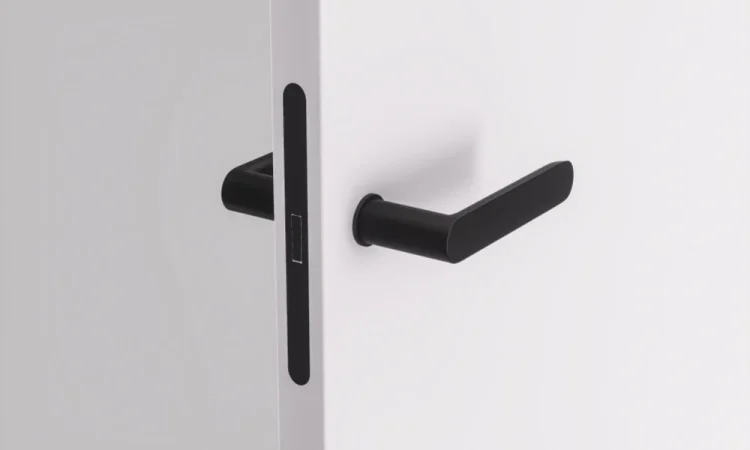
The opportunity in door hardware is specific: the same hardware in a more considered finish or profile makes the room feel more intentional without requiring any structural change. A matte black lever in a room where other hardware has already been updated to that finish creates a coherent metal language; a satin brass lever in a room with warm wood tones and brass light fixtures confirms a material palette that was otherwise only partial.
The frequency of interaction with door hardware – every time a door is opened or closed – means that the sensory quality of the hardware is experienced repeatedly in ways that art or decorative objects are not. Hardware that feels solid, that operates smoothly, and that has an appropriate weight for the door creates a daily experience of quality that contributes to how the home feels to live in.
Finish Coordination Across Hardware
Modern door handles selection is most effective when approached room by room rather than door by door – deciding what finish coordination works for the room and then selecting hardware that fits within that coordination rather than making each door handle selection independently.
The rule that every metal finish in a room should match is a simplification. In practice, intentional metal mixing – where two finishes are used in defined roles across the room – is a legitimate design choice that can feel considered rather than inconsistent. What does not work is accidental mixing where different finishes coexist without a defined relationship. The test: if someone looking at the room could not tell whether the mixing was intentional, it reads as inconsistent.
Interior versus exterior door hardware serves different performance requirements. Exterior hardware needs to withstand weather exposure – UV, moisture, temperature variation – that interior hardware does not. Using interior hardware on exterior doors accelerates deterioration regardless of finish quality; using exterior-rated hardware on interior doors is unnecessary but not harmful.
Energy Star does not certify door hardware, but its broader guidance on home improvement products provides context for evaluating sustainable materials and finishes in home hardware – an area of increasing manufacturer attention.
Installation and Replacement
Door handle replacement is one of the more straightforward home improvement projects – most lever and knob hardware is installed with two screws accessible from the interior face of the door, and the process requires no tools beyond a screwdriver. The main variable is confirming that the replacement hardware matches the existing backset – the distance from the edge of the door to the center of the bore hole – which is typically either 2 3/8 or 2 3/4 inches.
Replacing all hardware in a room simultaneously produces a more cohesive result than replacing individual doors as they wear out. The consistent application of a new finish across all interior doors in a space creates the coordinated appearance that piecemeal replacement never achieves; piecemeal replacement results in a mix of different vintages of the same finish that reads as inconsistent rather than deliberate.
Hardware quality shows in the mechanism. Handles with smooth, consistent latch operation, appropriate weight (too light feels cheap regardless of finish quality), and absence of play in the lever articulation provide the tactile experience that makes hardware feel worth its price. Testing the mechanism before purchase – in a showroom rather than judging from a product photograph – provides a better quality assessment than reading specifications.