
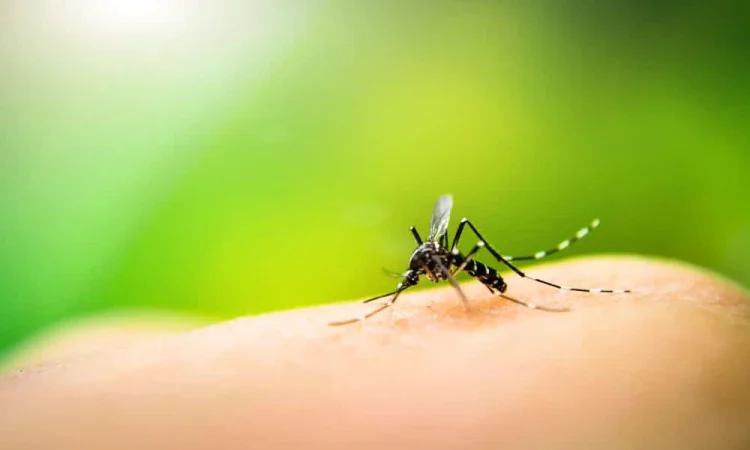
Mosquito problems can be difficult to control in Central Florida because the local environment gives them repeated opportunities to thrive. Warm weather keeps activity going for much of the year, while summer rain, irrigation, drainage features, and residential landscaping create places where water can collect. A yard may look well maintained and still have several spots that support mosquito breeding.
The challenge becomes greater when water sources extend beyond the property. Lakes, retention ponds, and drainage areas can be part of the surrounding landscape, while pools, planters, gutters, and other features create smaller water-holding spots at home. Homeowners dealing with persistent activity can reach out through avatapest.com/contact when routine cleanup does not solve the problem.
Warm Weather Keeps Activity Going
Central Florida does not have a long winter freeze that brings mosquito activity to a prolonged stop. Warm conditions allow mosquitoes to remain active across much of the year, with activity often becoming more noticeable during warmer, wetter periods.
Rain makes the problem more noticeable because fresh water appears across the property almost overnight. The Florida Department of Health recommends checking containers, gutters, pool covers, toys, and flowerpots regularly since these everyday items can turn into breeding sites. That means homeowners may need to check the yard repeatedly instead of treating standing water as a one-time issue.
Rain Creates New Water Sources
Heavy rain can change a property within hours. Water that wasn’t there before a storm can show up in a low corner of the lawn where drainage runs slow, inside plant saucers and forgotten buckets, in clogged gutters and drains, on pool covers that were never quite pulled taut, or around decorative features and outdoor equipment that happen to catch runoff.
A property can therefore end up right back where it started, even after a homeowner has already cleared out the water responsible for a previous spike in activity.
Irrigation Adds Another Source of Moisture
Rain is not the only factor. Sprinkler systems run throughout the year, and poorly aimed or excessive irrigation can leave parts of a landscape wet after the surrounding yard has dried.
A shaded planting bed may hold moisture longer than an open lawn. Water can also gather near pool equipment, outdoor fixtures, retaining areas, and drainage points. These places are easy to overlook because they are part of normal landscaping.
Checking irrigation patterns can help reveal why mosquito activity continues during a period with little rainfall.
Outdoor Spaces Increase the Impact
Mosquitoes become much more noticeable when they interfere with the parts of a property people use regularly. Pools, patios, screened lanais, outdoor kitchens, and garden areas can make mosquito activity especially frustrating during evening gatherings or time spent outside.
Vegetation also influences where mosquitoes rest during the day. Dense shrubs, ground cover, and shaded areas can provide sheltered spaces near patios and other outdoor areas. Screens can help reduce mosquitoes indoors, but they do not prevent bites while residents are using an open patio or yard.
Effective control therefore needs to account for the places where people spend time, not just the spots where water builds up.
Nearby Water Can Complicate Control
Homeowners do not control every water source around their property. A nearby lake, retention pond, or drainage feature can form part of the surrounding environment, even when the homeowner keeps the yard clear of standing water.
That does not mean a nearby pond is automatically responsible for mosquito activity. Small stagnant areas on the property can be more relevant, especially when they collect rain or irrigation water. A thorough assessment can help distinguish between the water sources that actually matter and those that don’t.
Professional Treatment Can Address the Larger Picture
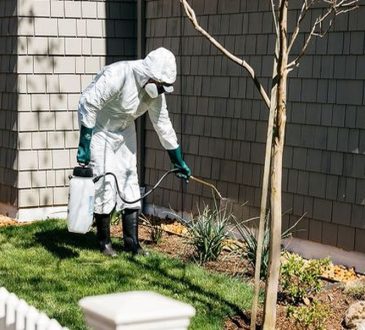
What sets Avata’s approach apart is that its technicians don’t stop at the first water source they find. Its mosquito service pairs treatment with a closer look at where mosquitoes are resting and what keeps drawing them back, which matters most for homeowners who’ve already cleared the obvious spots and are still seeing activity.
Homeowners can also reduce potential breeding areas on their own by checking containers, gutters, drains, pool covers, and other places where rain or irrigation water tends to collect. Keeping screens in good repair adds another layer of protection around indoor spaces.
Why Mosquito Control Takes Ongoing Attention
A yard can have decent drainage and still stay wet longer than it should because of where the irrigation lines are aimed. A homeowner can clear every container on the property and still deal with activity coming from a low spot they never noticed. Clearing one source may not solve the whole picture.
Homeowners who keep checking drainage, containers, irrigation timing, and the shadier corners of the yard tend to stay ahead of it. But when mosquitoes are still cutting into evenings on the patio despite that effort, this means it’s time to bring in someone who can track down what’s still drawing them in.